Self-directed project
CONNECT
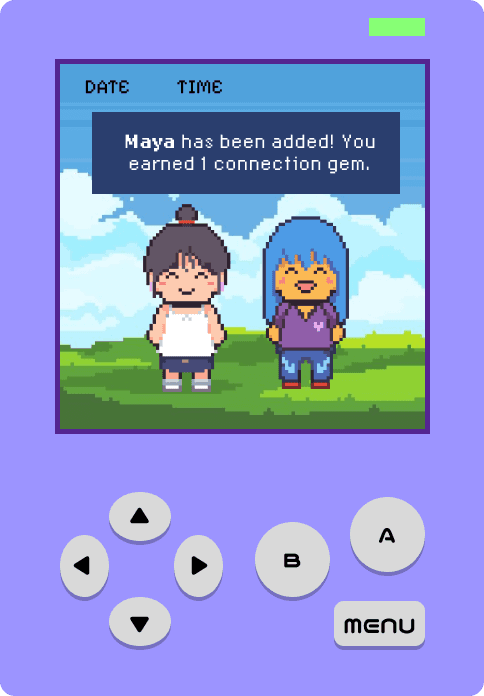
What is CONNECT?
A self-directed proposal, where I attempt to address a growing lack of socialization created by the decline of third places. As younger generations rely more on their phones to connect over digital spaces, the art of conversing has been progressively lost. CONNECT aims to rekindle genuine, novel interactions amongst younger demographics not used to breaking the ice in the real world.
Problem
The major friction point for introverts: taking the first step to engage first with strangers.
Objective
Design a system that creates a safe space for users to break out of their shell, allowing them to foster a local community without fear of judgement
Context
The Decline of Third Places
Strategies: tackling an intangible issue
I've noticed that today's digital conveniences has reduced the need for community, correlating with a gradual decline of third places in America. But reviving third places is a complicated systemic issue, so I started brainstorming how we could take one step forward instead of another step back.
By surveying my peers (college students, aged 19-22), I narrowed down key factors influencing usage of third places (or lack thereof):
The third place has a built-in level playing field (a shared commonality)
People my age prioritize utilizing third places with their friends over meeting new people
Interest in these third places seemed to depend on the respondent’s personality type (introvertedness vs. extrovertedness)
College students tend to use their college campus as a regular "third place," considering:
Convenience
Ensured safety
A space to be productive
Major Takeaway
College students, particularly introverted ones, seemed to prioritize familiarity vs. venturing the unknown.
Target Persona

An anxious, creative student who struggles with breaking past the initial barrier of talking to people, yet wants to find new community in college.
Process
Survey Insights
Respondents: Self-Identified Introverted College Students
Respondents reciprocate energy when approached, but won't initiate
The context facilitates respondent's comfort level in engaging in interactions
Respondents stated they are more comfortable in talking to strangers alongside outgoing friends
How might we build a safe environment for introverts to engage first in community-building without fear of external judgement?
First Concept:
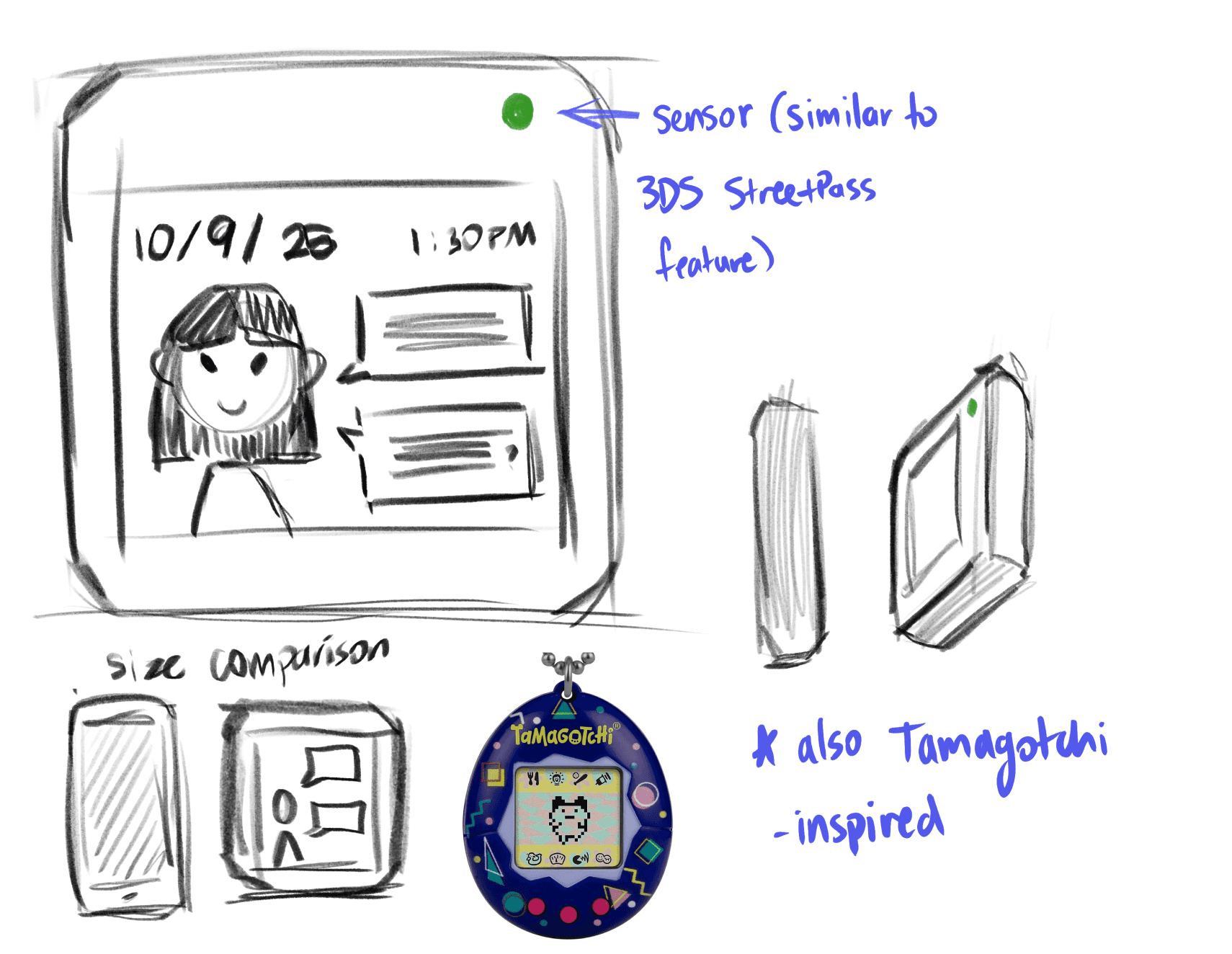
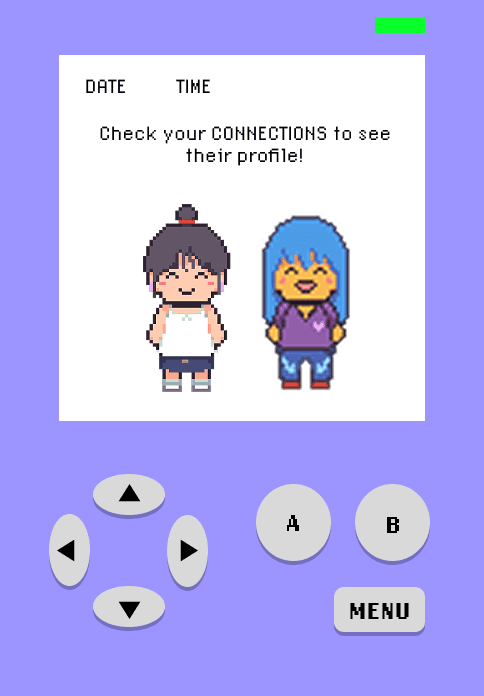
A Tamagotchi-inspired analog device; the "pet" that the user takes care of is a mini avatar. A game-ified system that would reward the user for stepping out of their comfort zone. It senses other active devices through a built-in sensor (most likely wireless data).
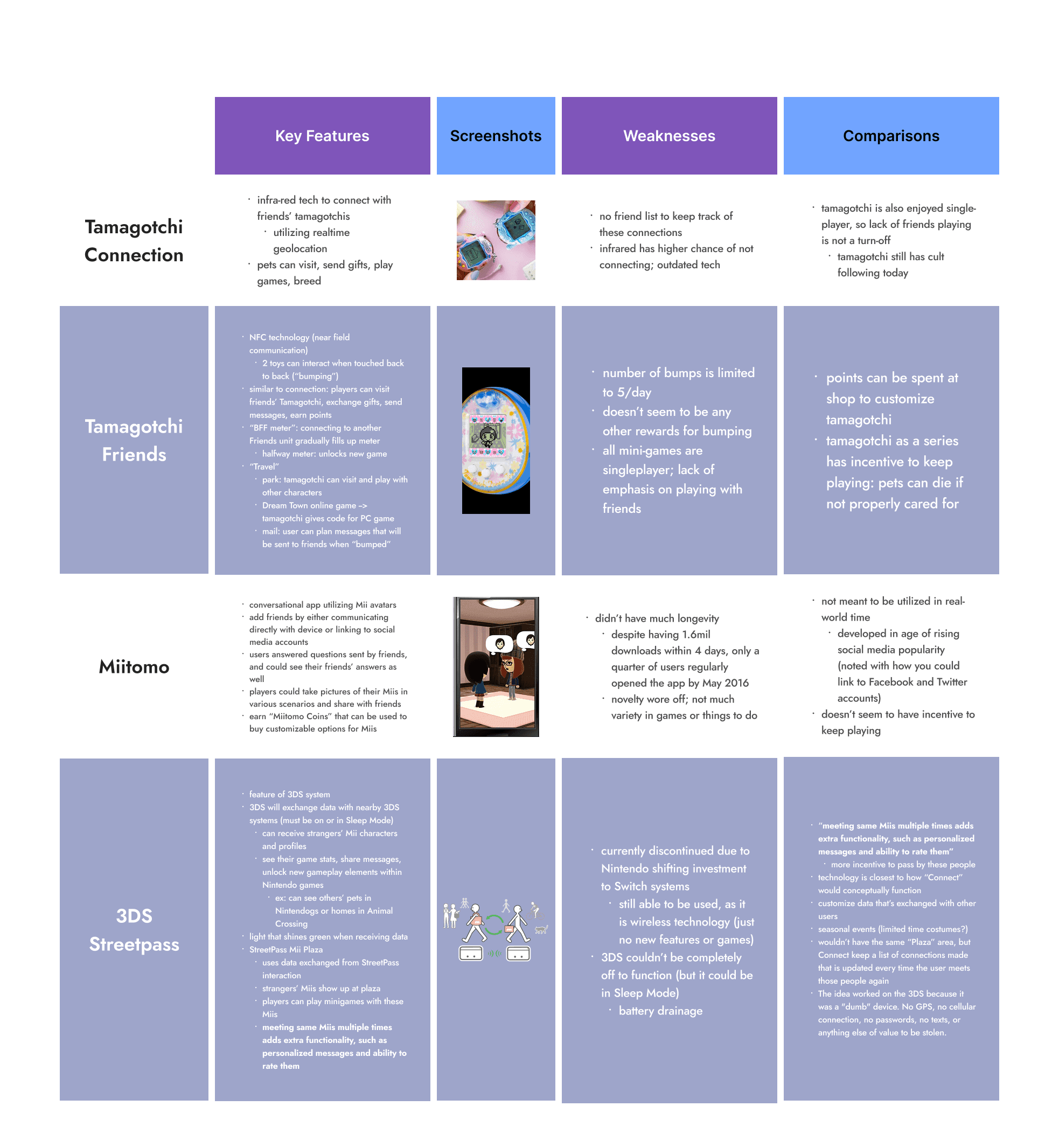
Competitive/Inspiration Analysis
Product Requirements
Ensure an incentive to keep playing: a reward system
Place emphasis on the socialization aspect than playing a game
Customization options to create more personalization
user brief
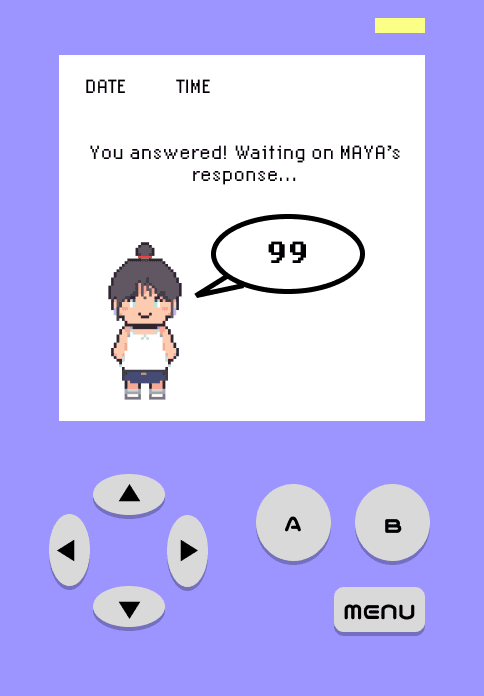
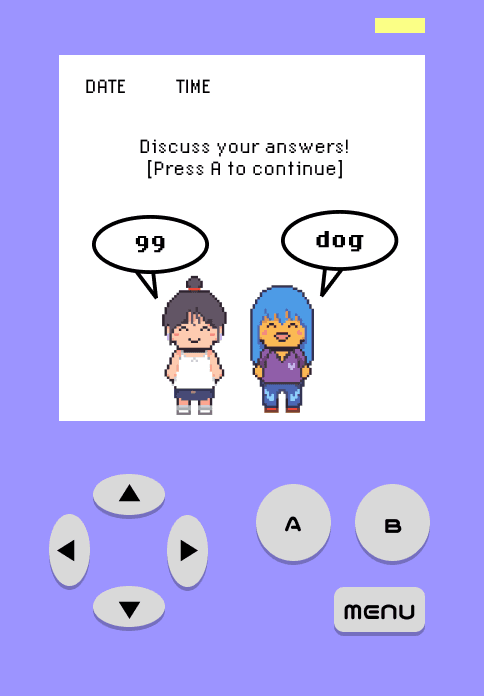
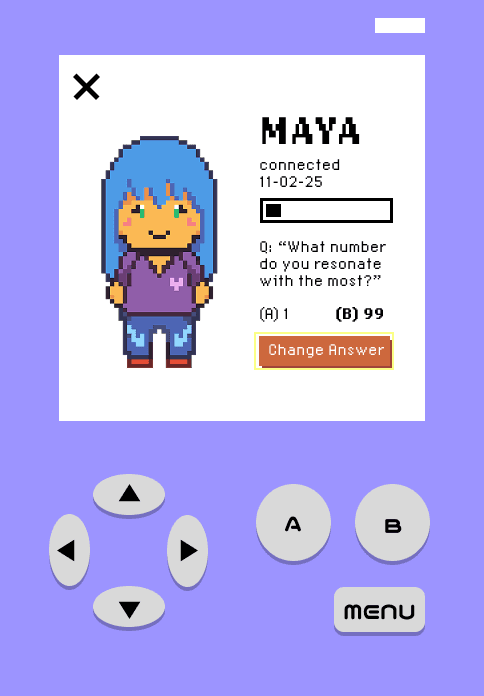
CONNECT has allowed you to set a pre-set question from a given list (please choose 3 questions that you connect with the most from the list). You will be “connecting” (aka meeting) another user through this device, of which the other user will be answering 1 of 3 questions that you choose; you will also be answering a question sent from them in an A/B format. No wrong answers here! This is an chance to break the ice with discussion prompts that can lead to deeper conversations.
IMPORTANT: CONNECT is meant to be an interim guide to starting relationships, not a permanent solution to rely on.
Prototype
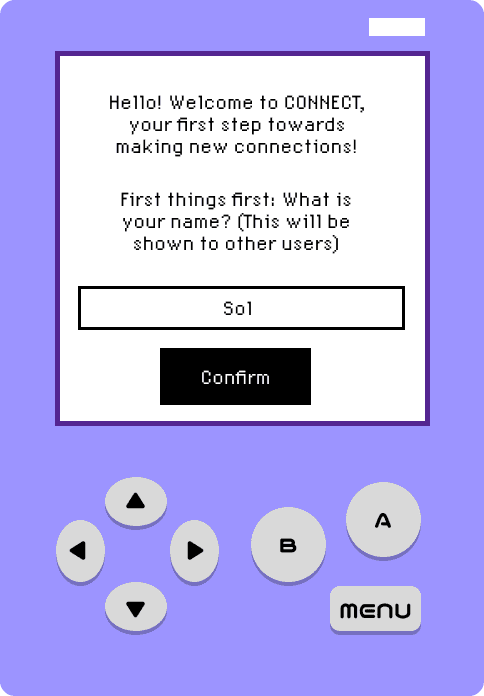
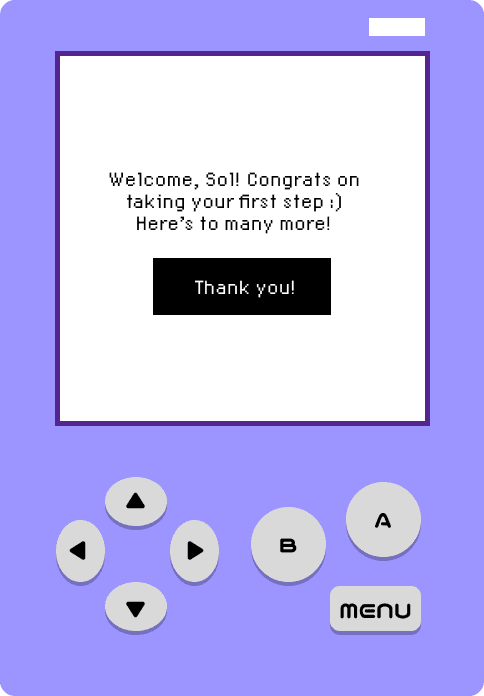
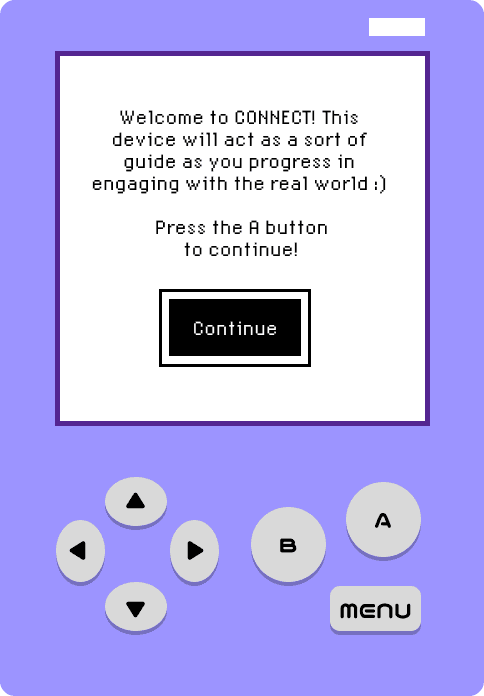
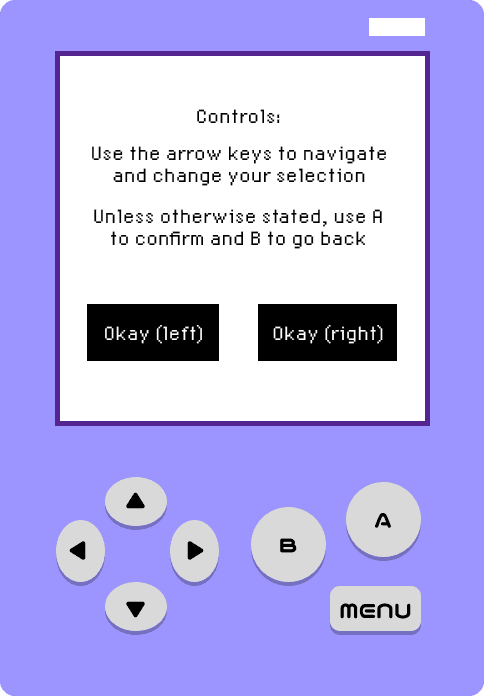
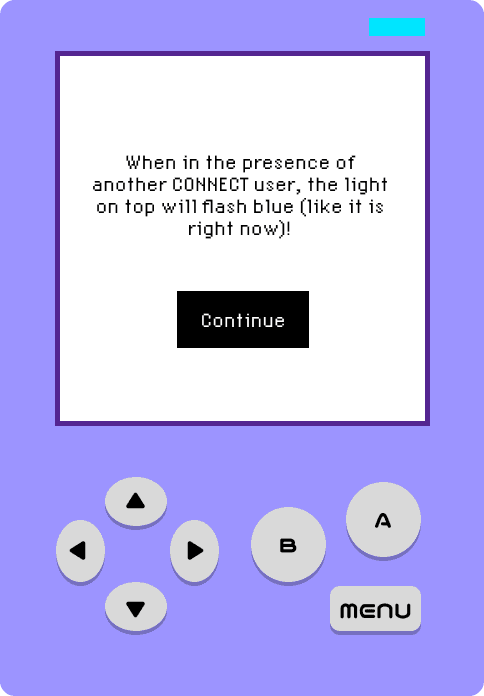
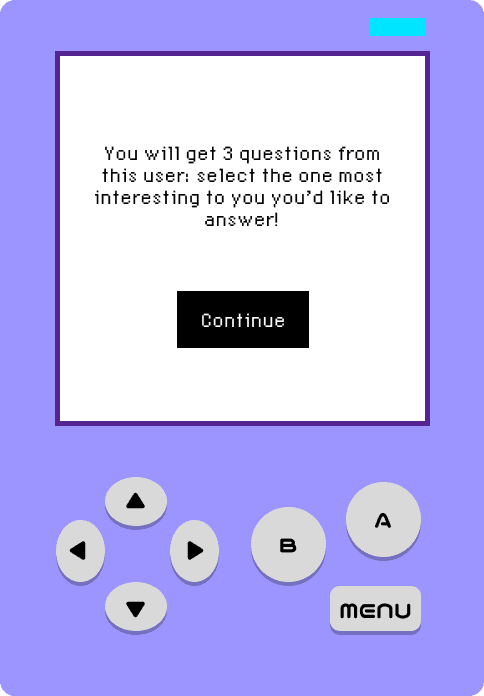
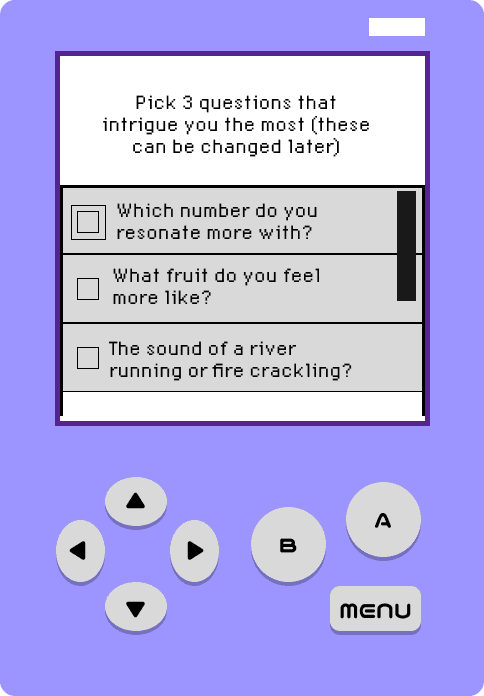
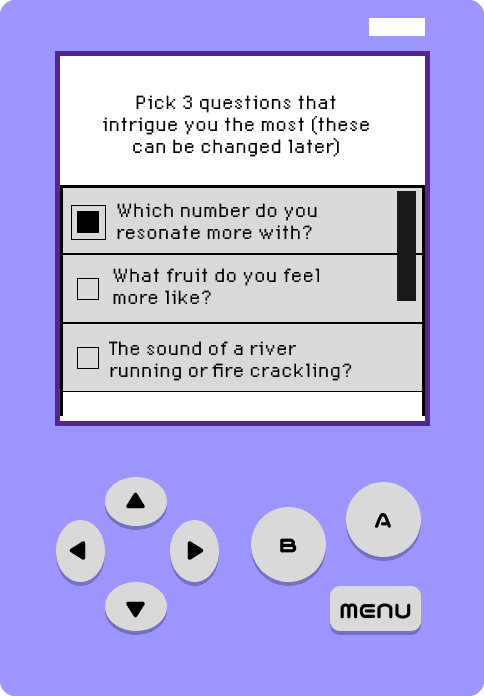
New user onboarding
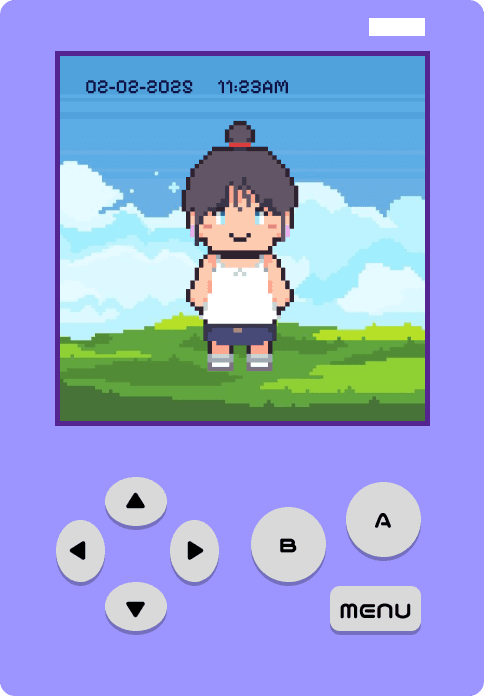
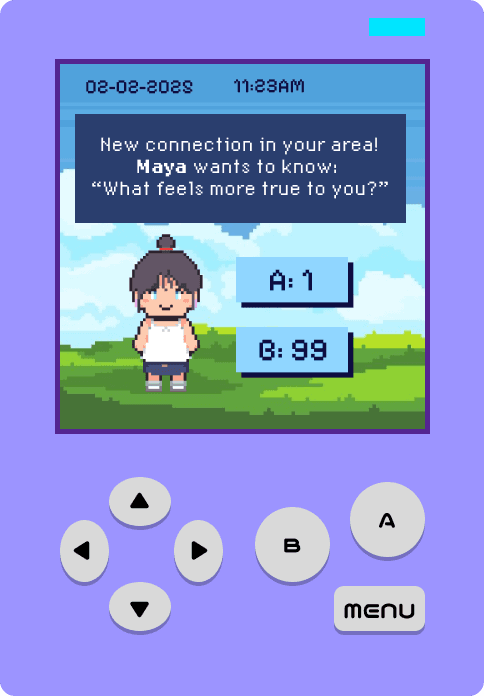
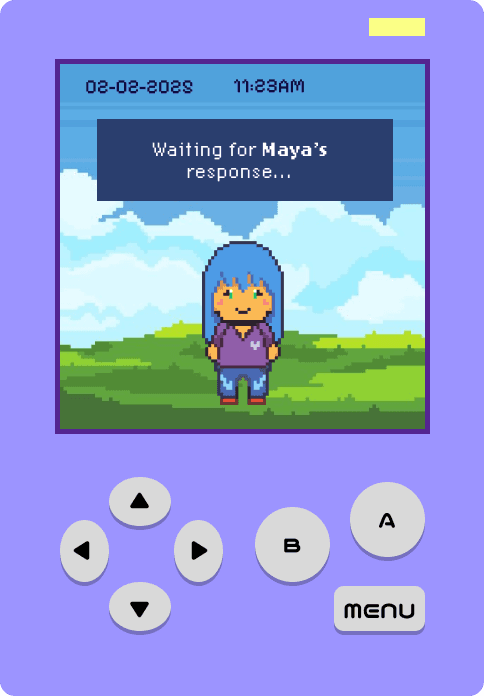
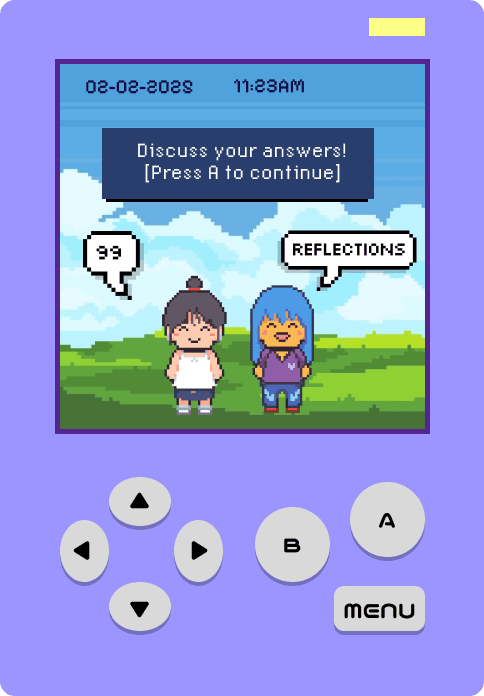
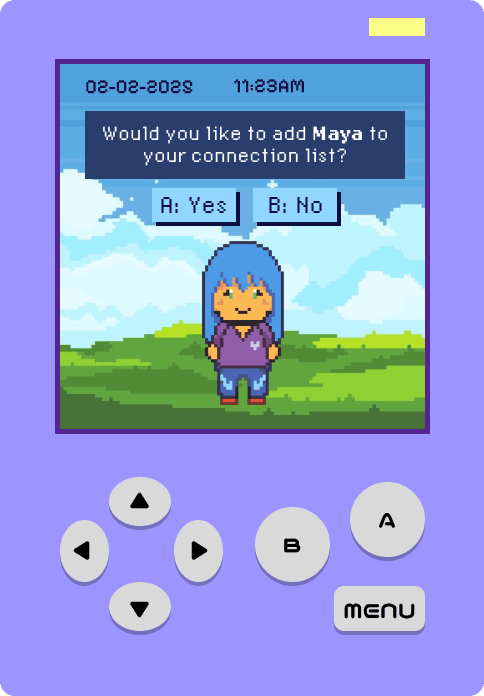
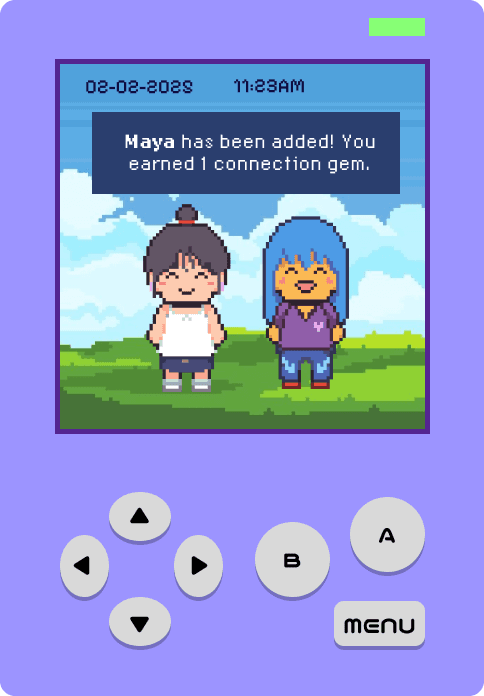
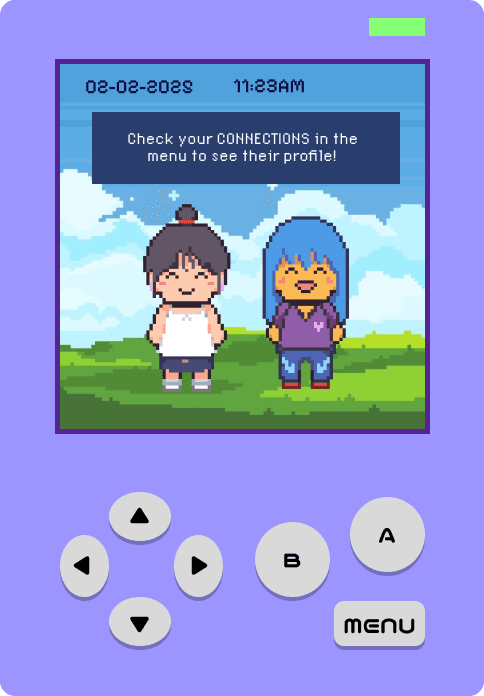
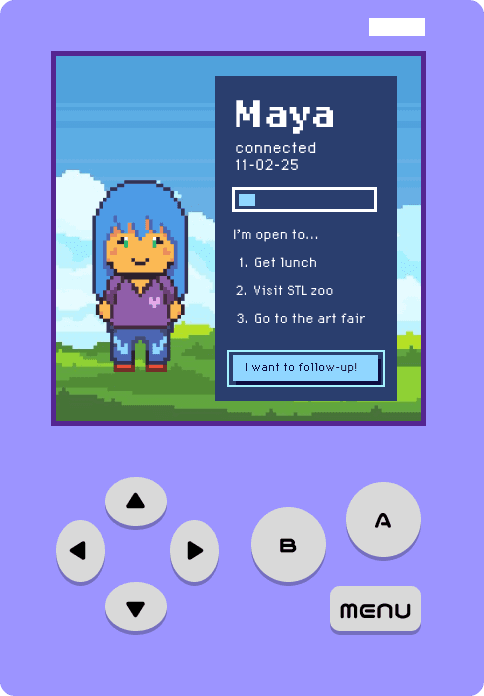
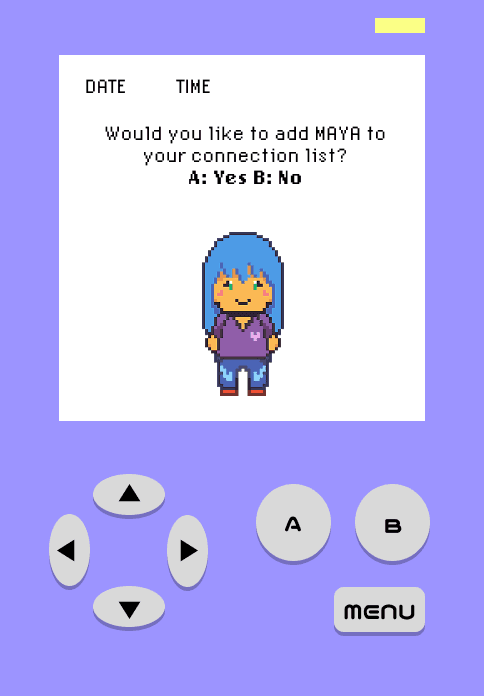
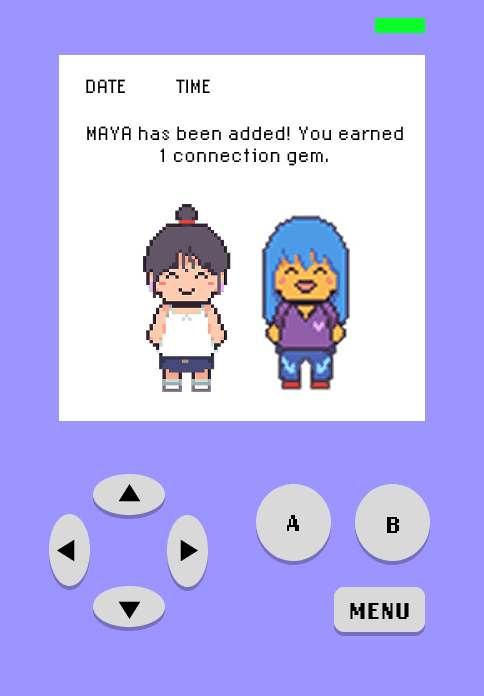
A mock-up flow of two users meeting for the first time
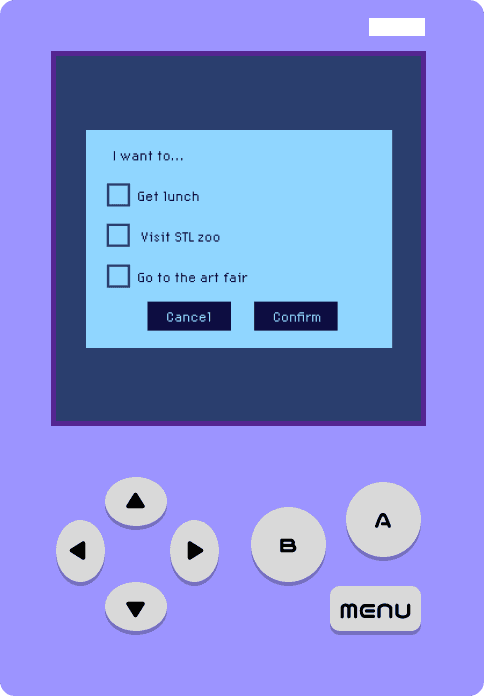
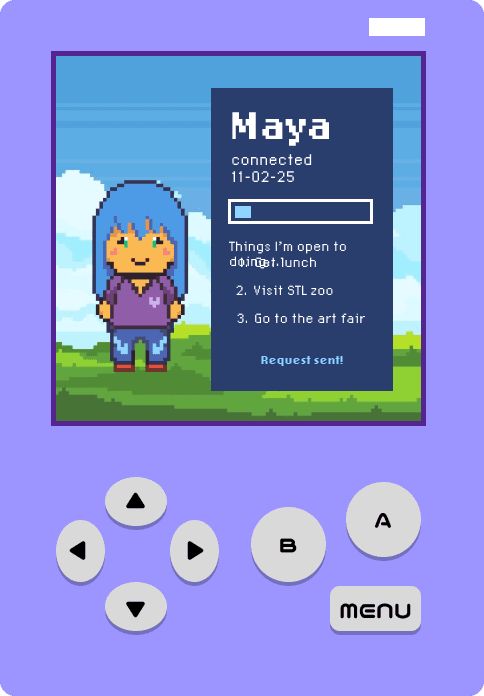
Users have the option to request a follow-up meeting with new connections; mutual confirmations allow further contact information to be shared
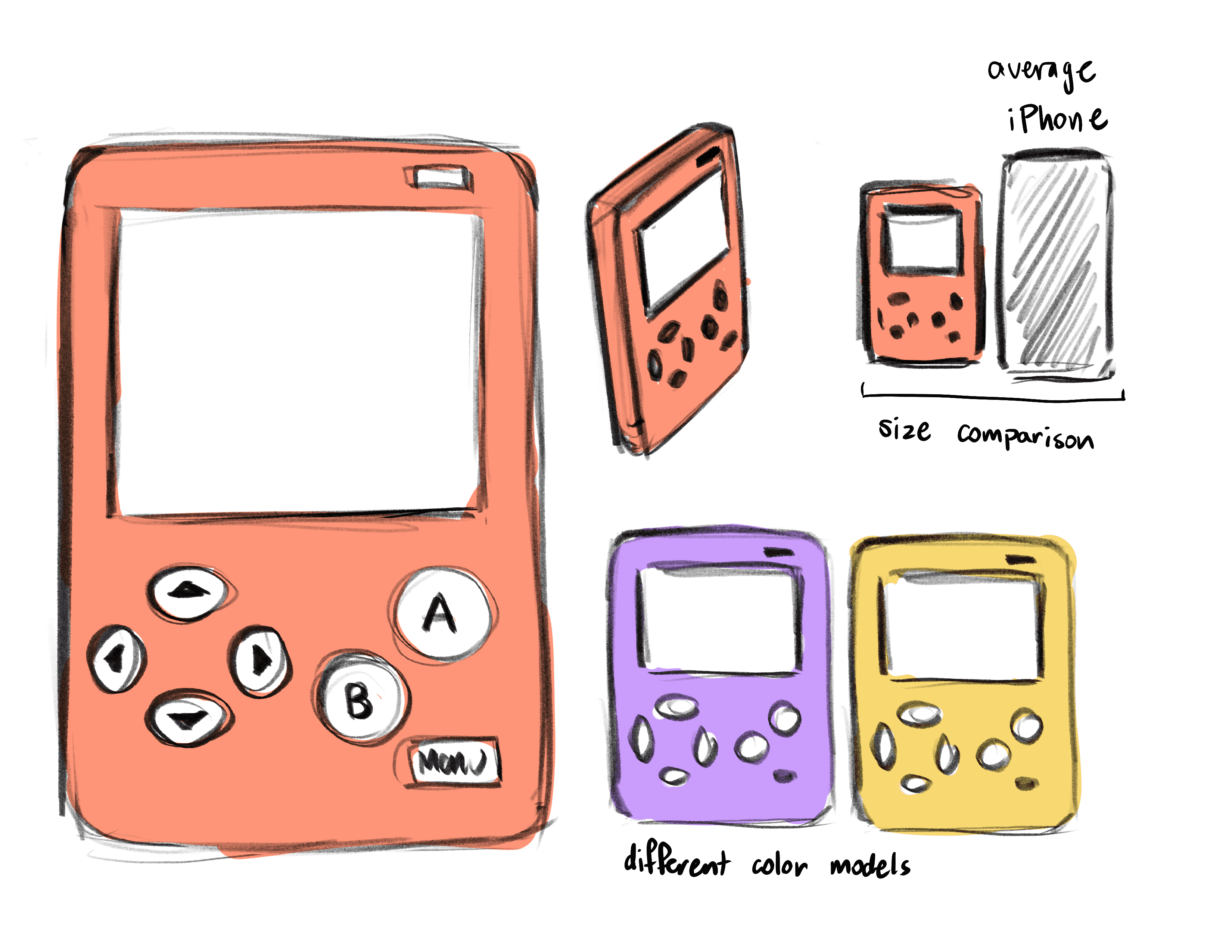
Device's model is reminiscent of handheld GameBoy™ systems
Past Iteration
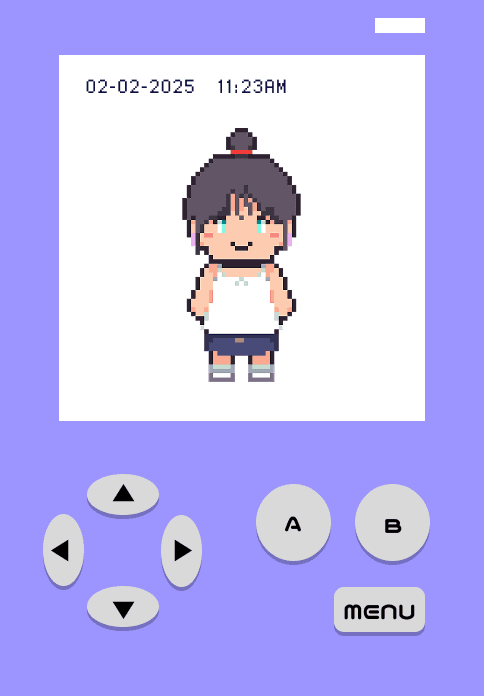
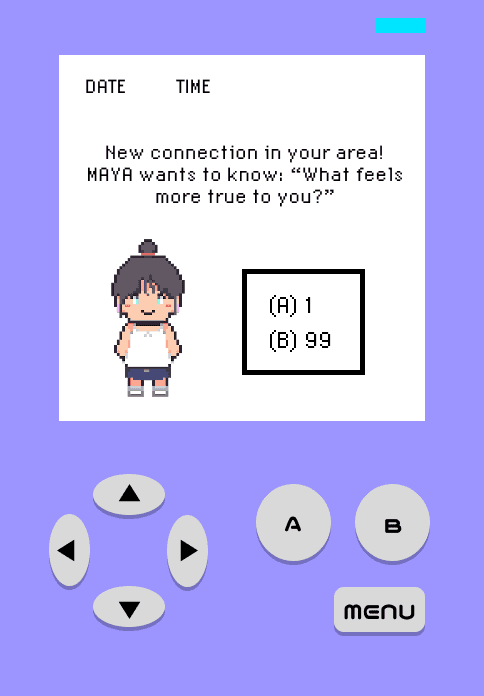
Reflection
Down the Line
CONNECT's proposal would realistically take a lot of time to fully develop. As my target audience are people that I also interact with on a daily basis, I will continue to receive passive feedback and further iterate in my own terms. I am also thinking of potential case scenarios of group settings using these devices together – how might I guide larger conversations with more variable dynamics?
Takeaways
narrow it just enough
As I gleaned insights from my introverted peers, I realized that I could not design for every individual before it gets to the point of designing for no one.
Analog user experience
My first time designing for a non-digital screen meant new considerations of familiarity with analog technology. Incorporating an accompanying app for further functionality (such as typing longer messages) is also one path to explore.
product-thinking
I learned how to reframe this guide from a product perspective in order to create a realistic incentive for the hypothetical goals I wanted to accomplish.