Visualizing Long-Distance Migration Changes

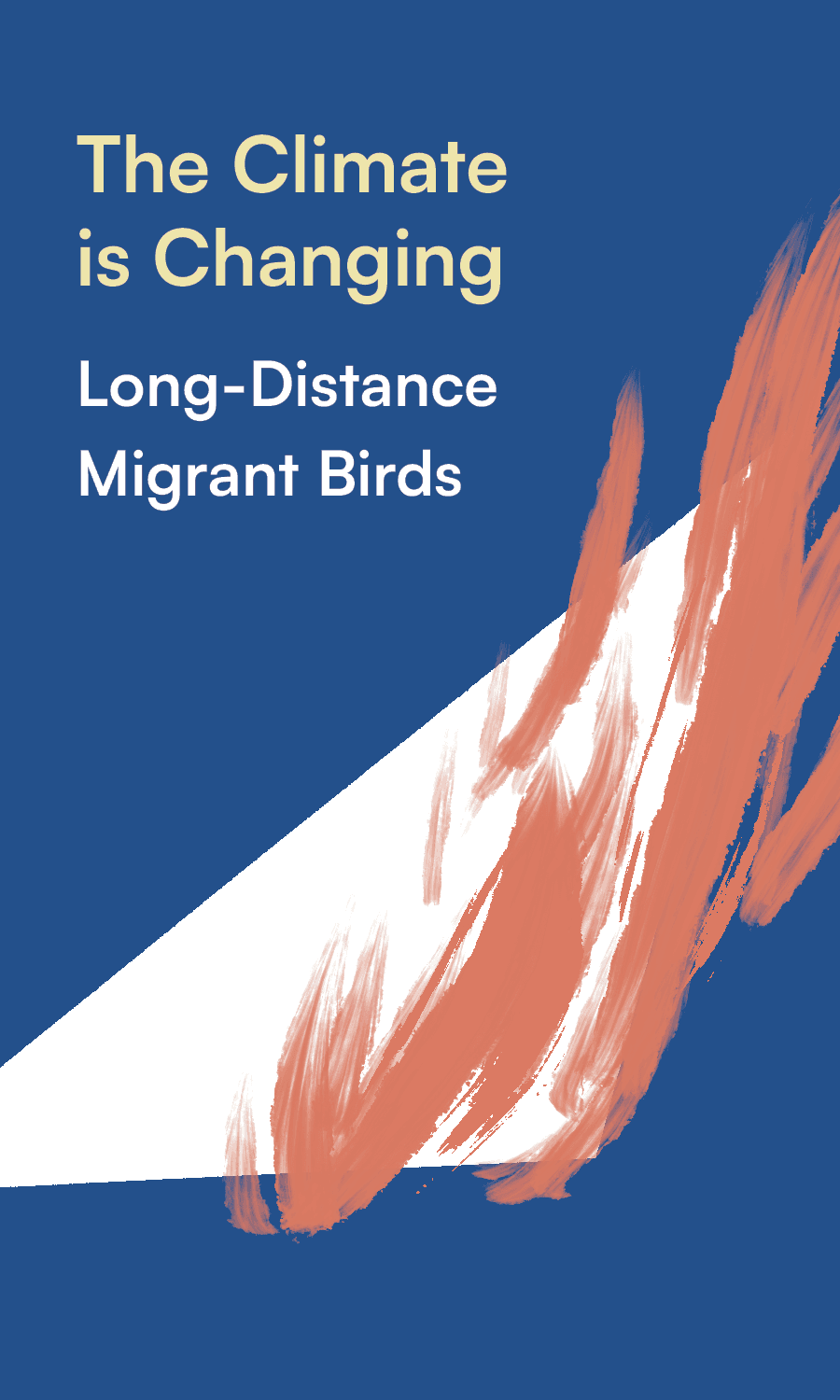
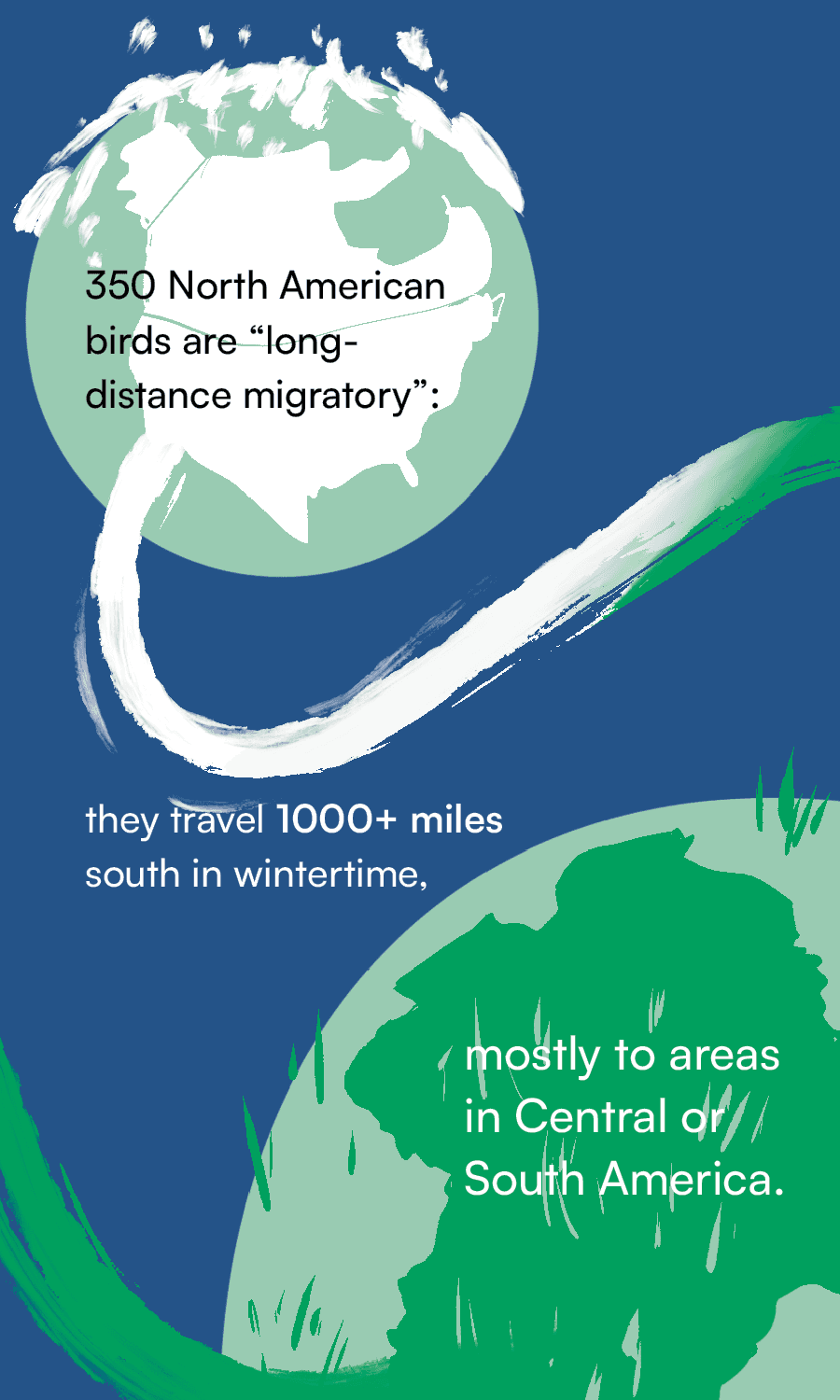
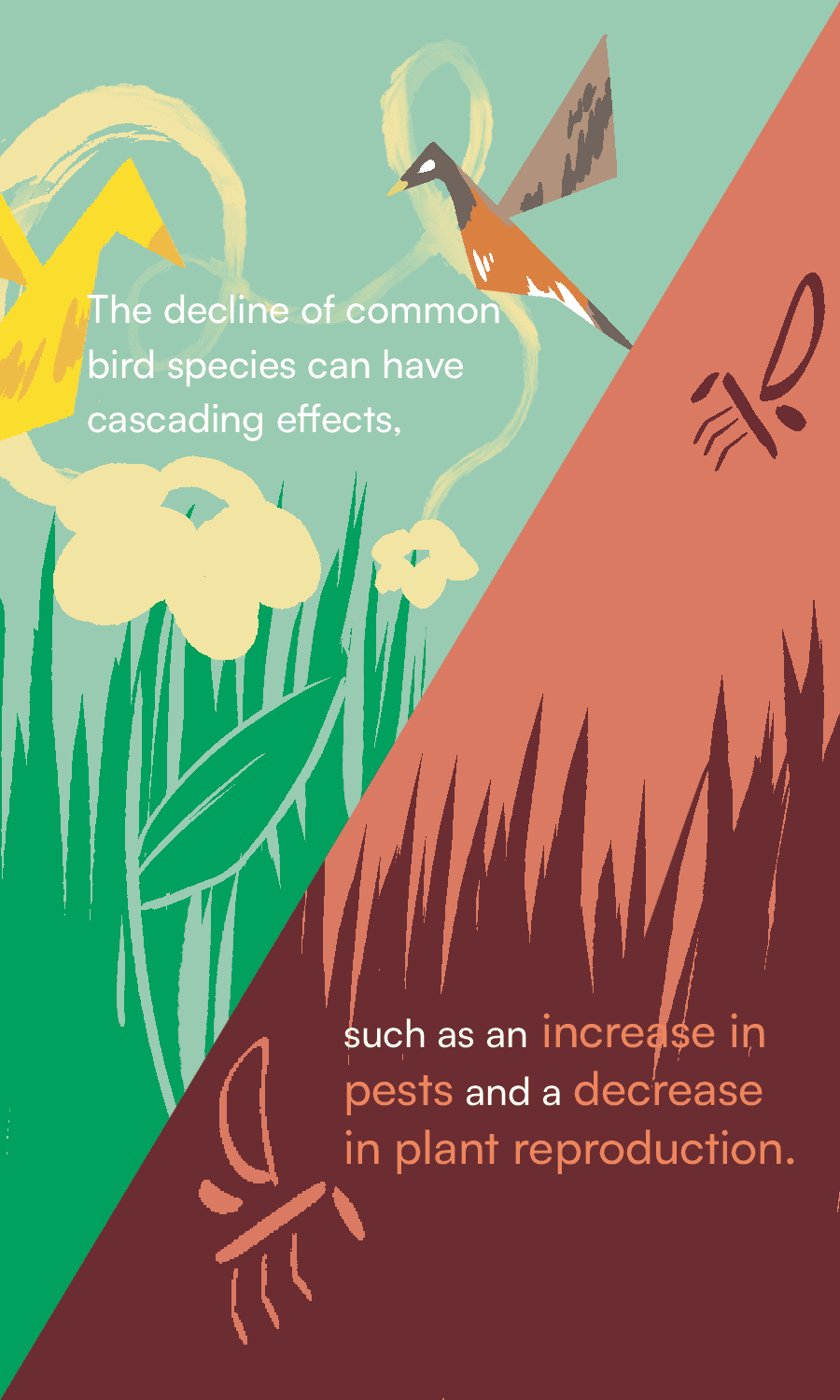
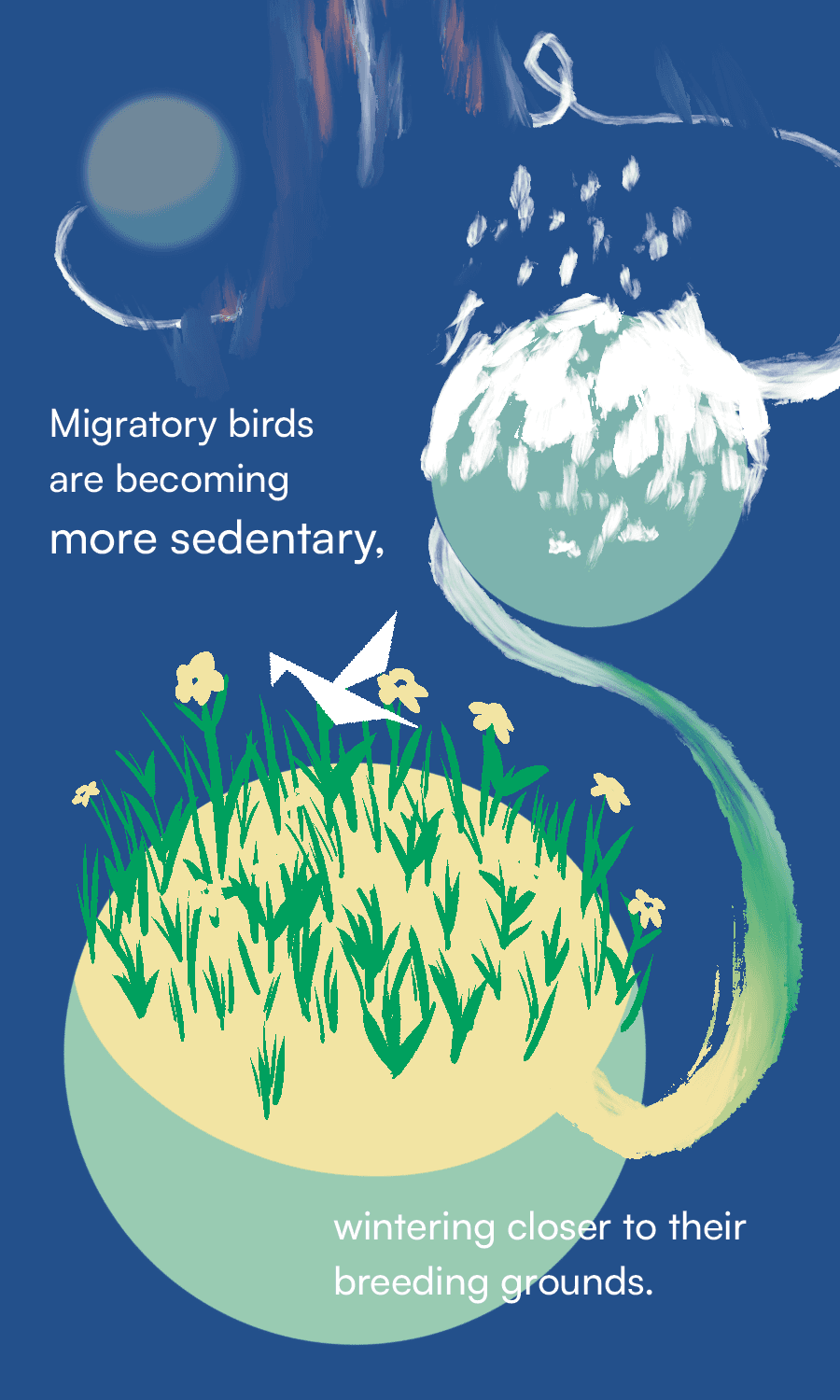
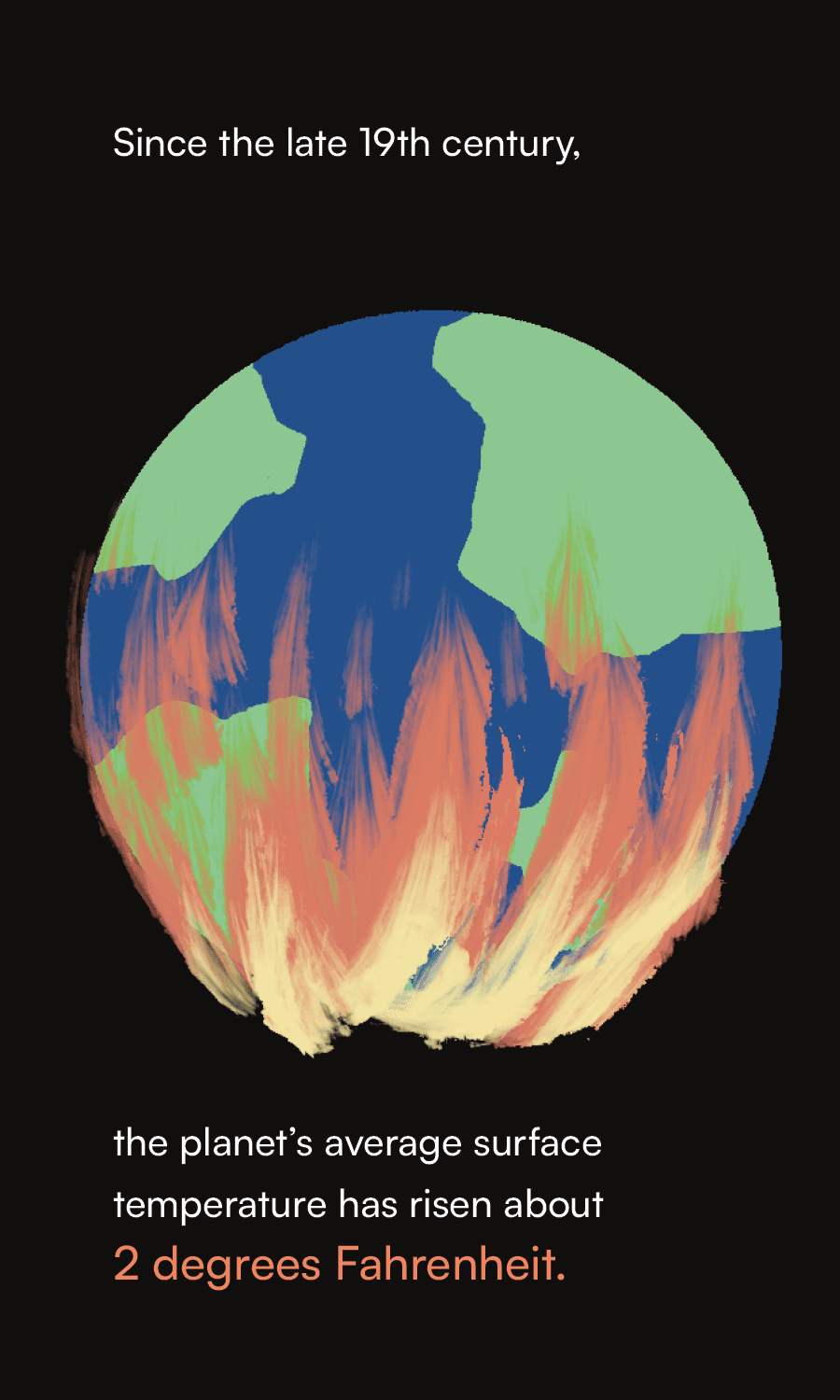
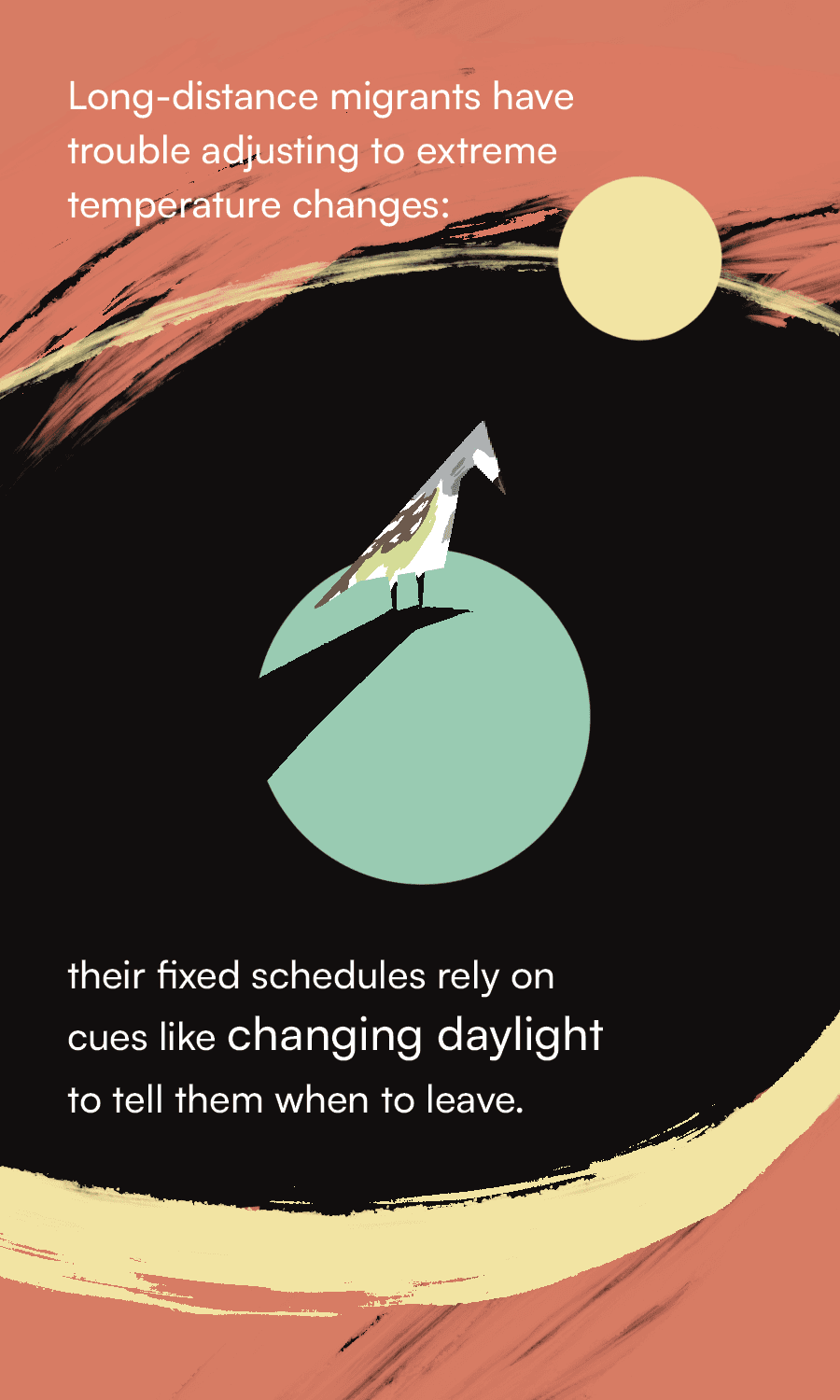
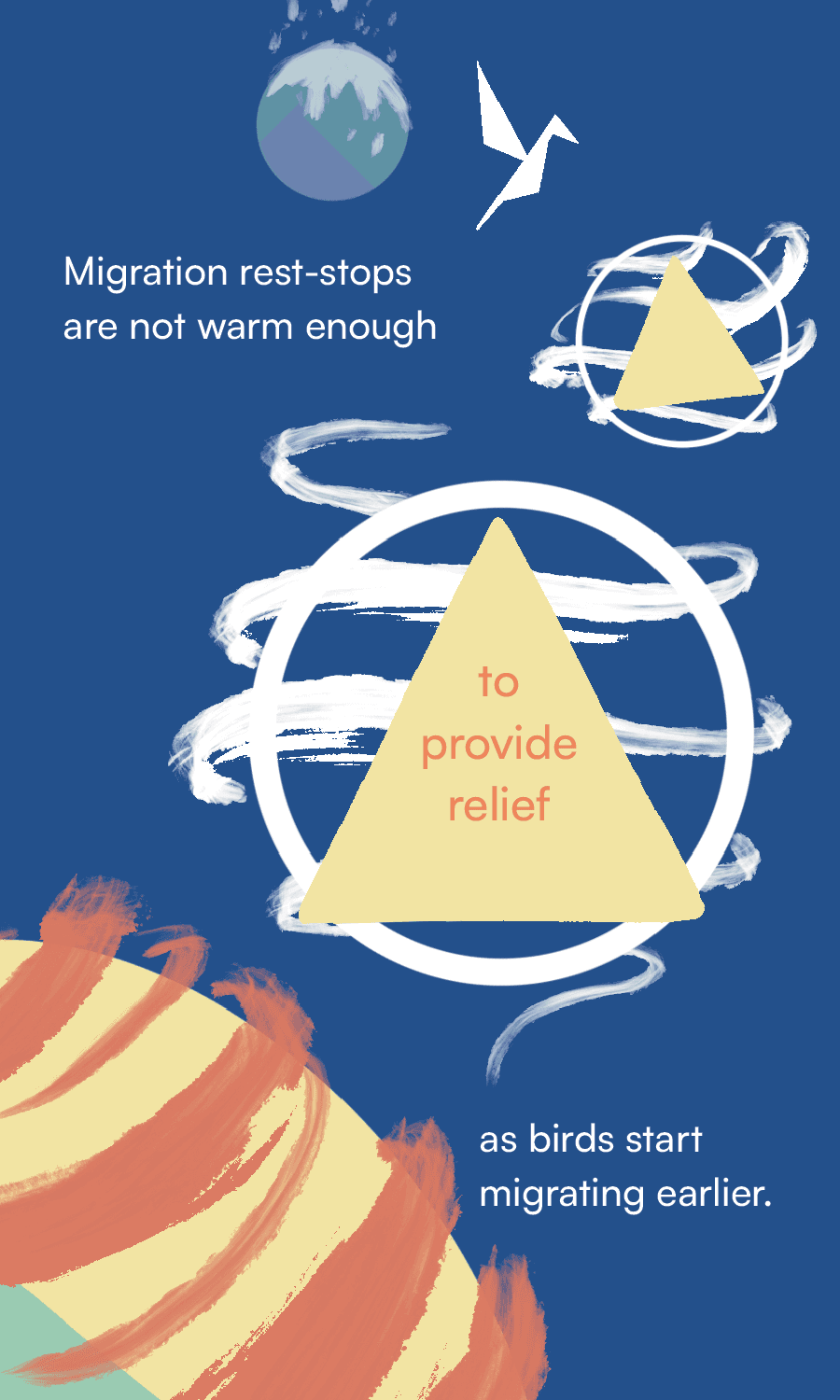
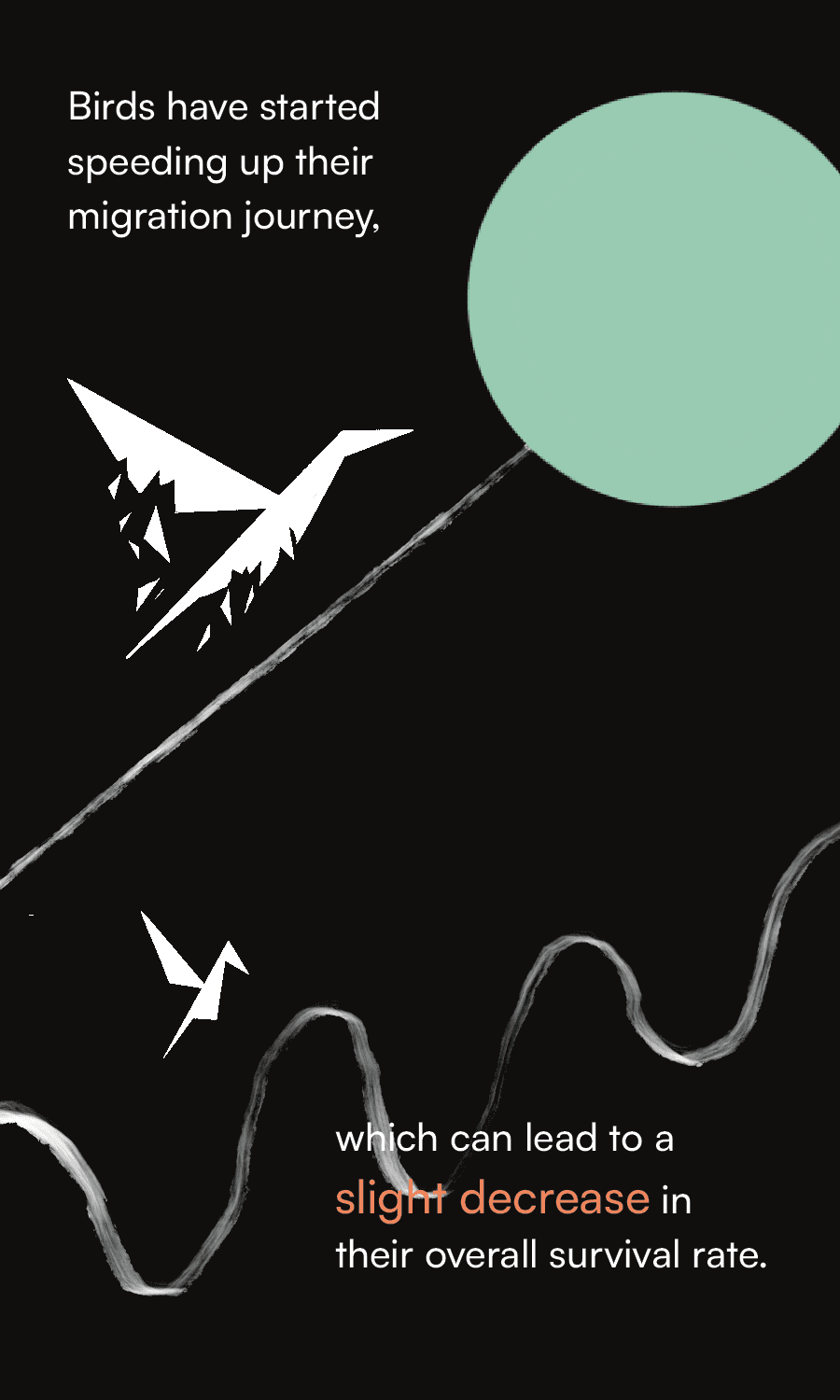
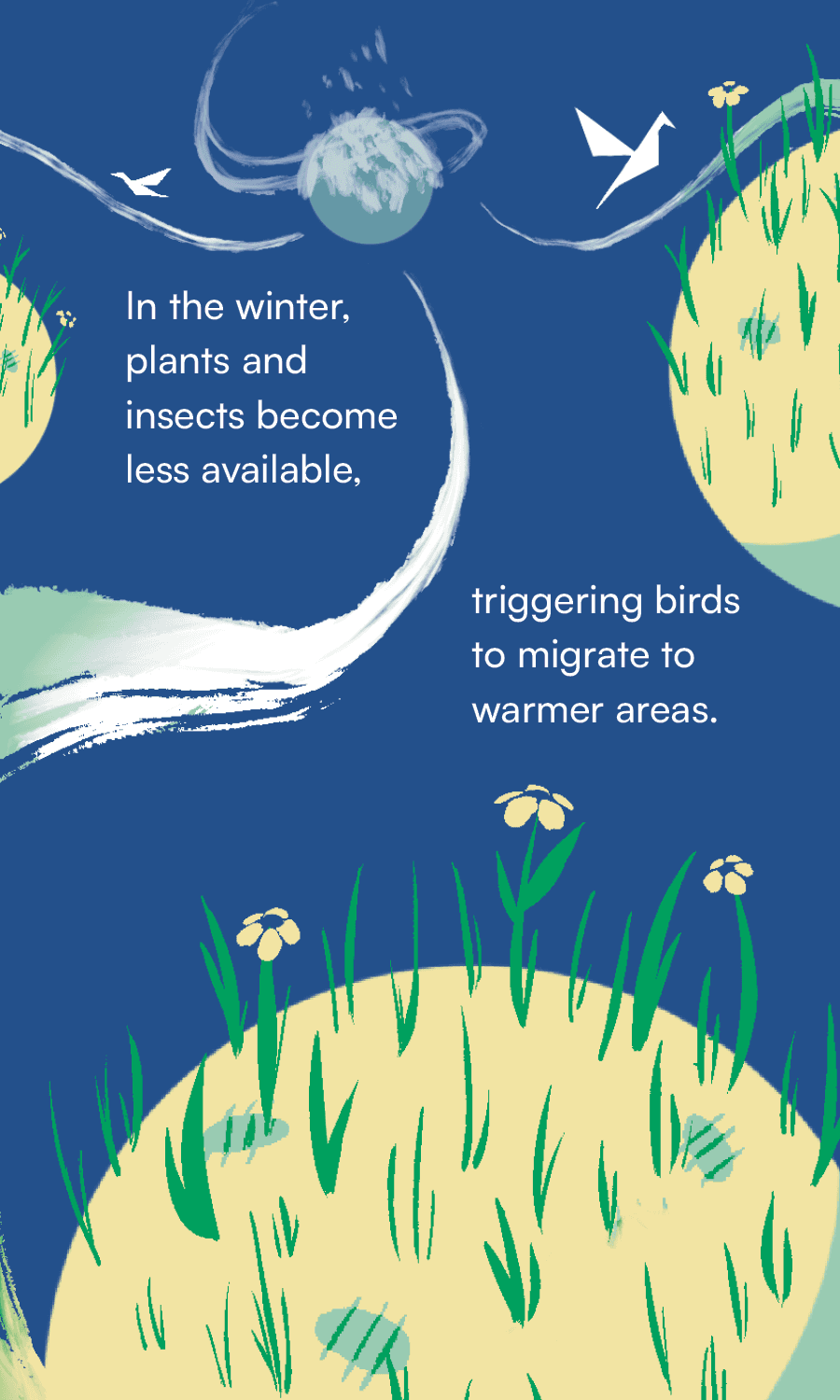
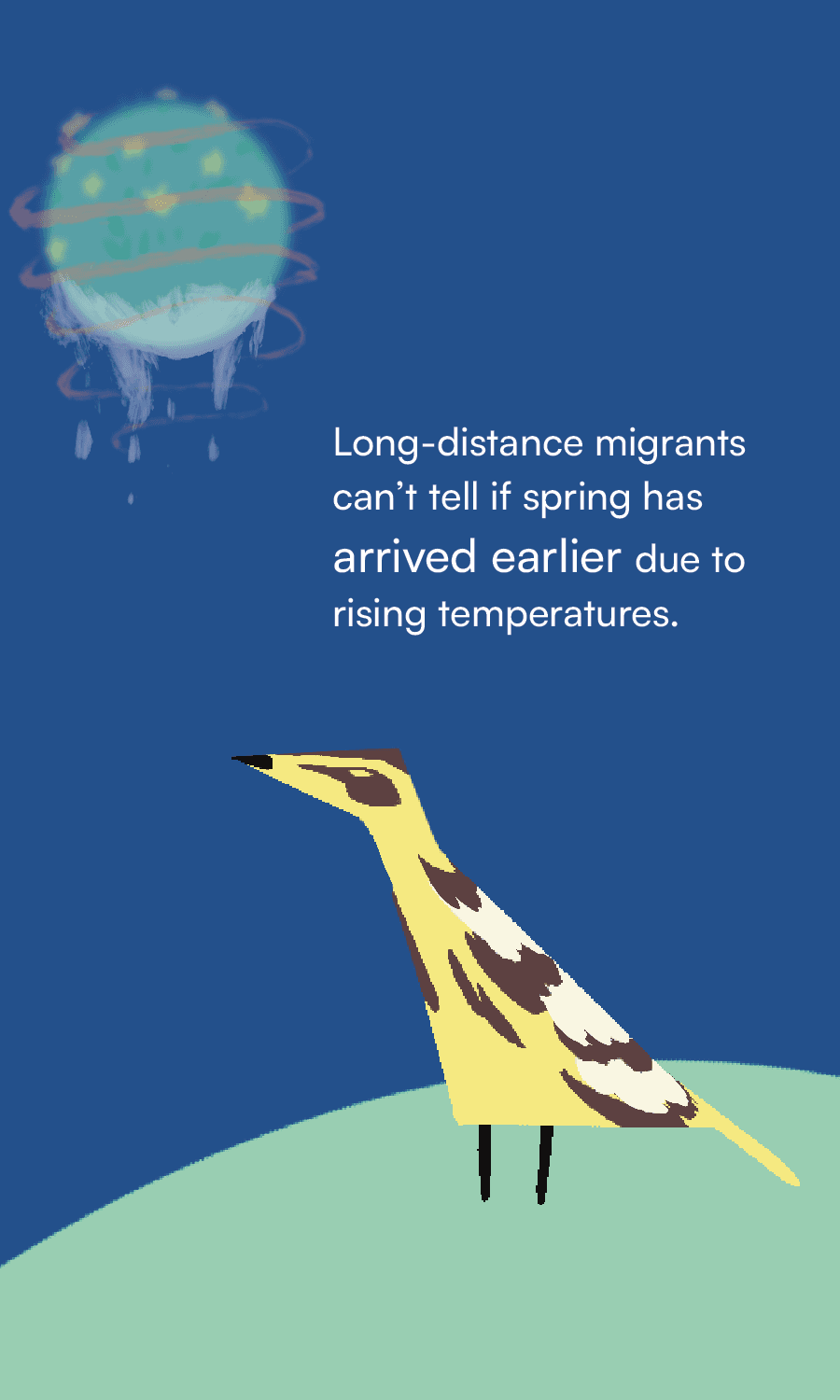
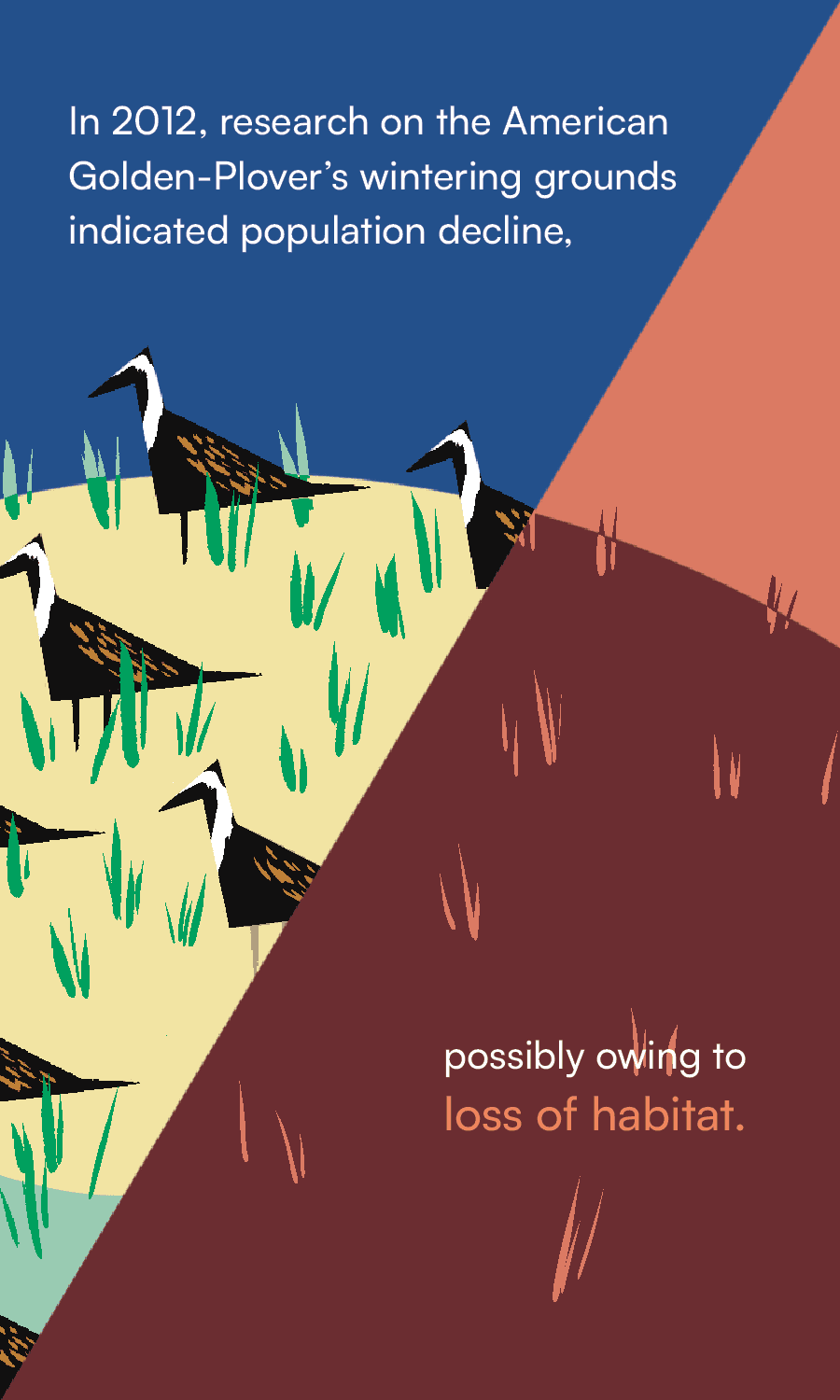
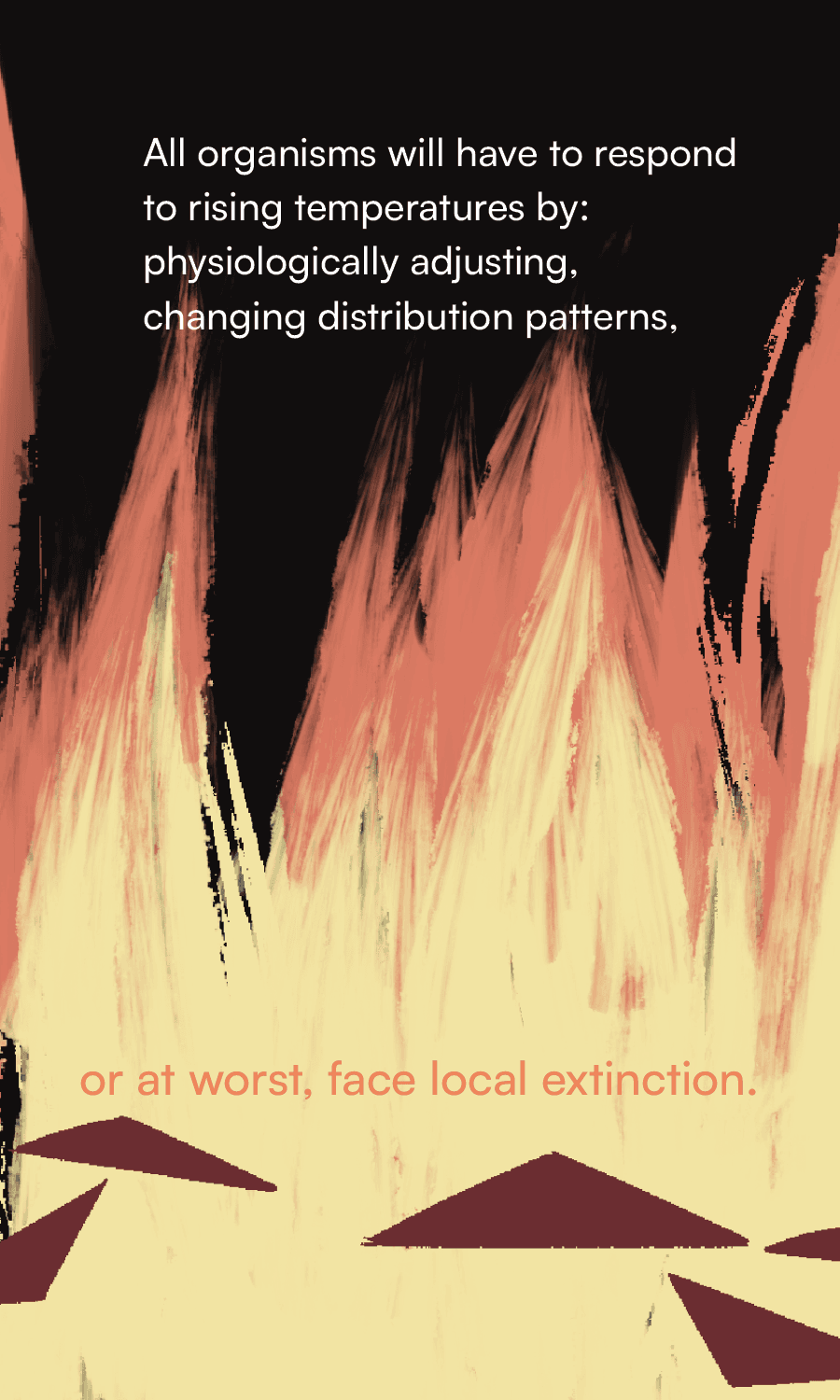
An illustrated card catalog, visualizing the issues of climate change and its disruption of North American long-distance migratory birds. Using data from various published sources*, I created 15 cards communicating various facts about the negative consequences of rising temperatures delaying these birds' migratory patterns.
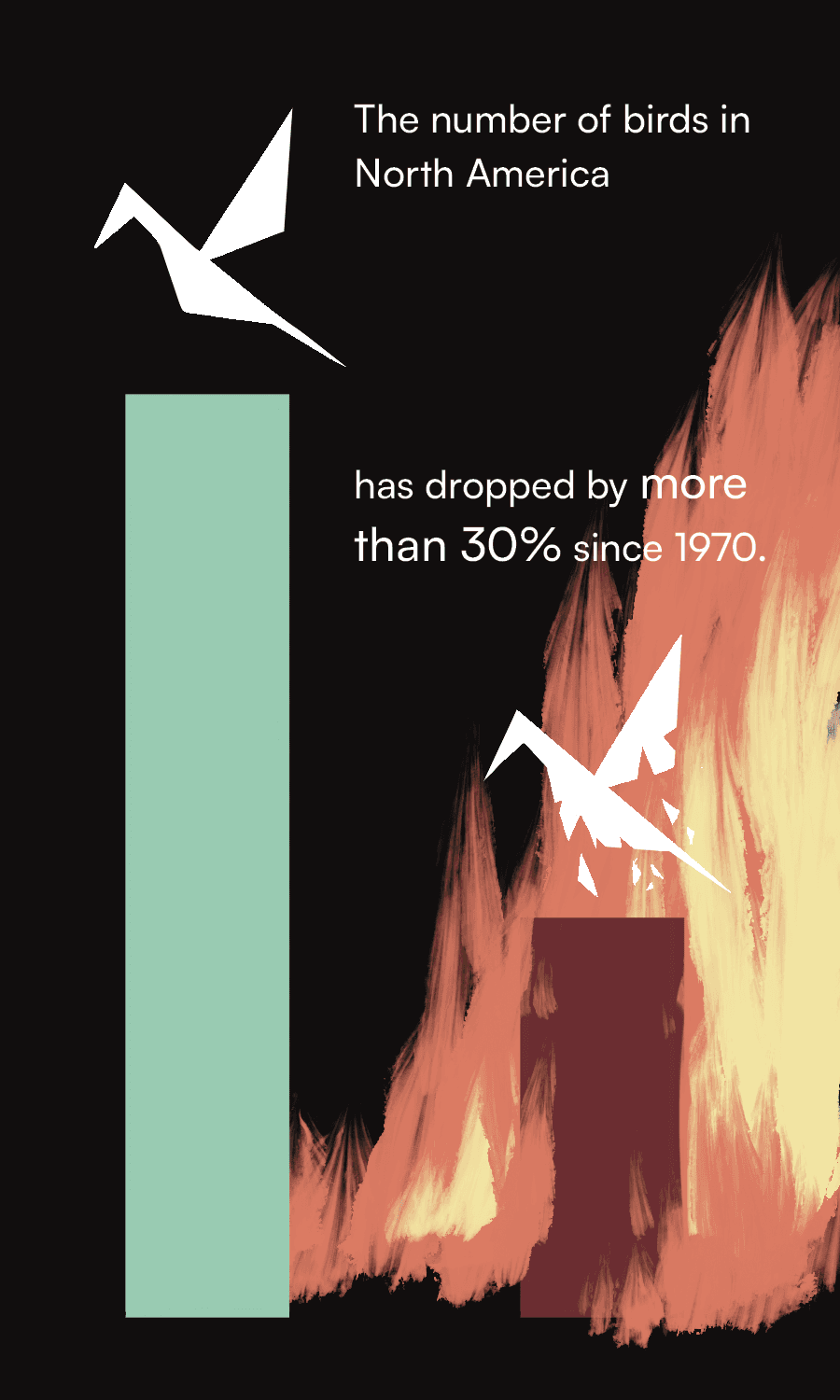
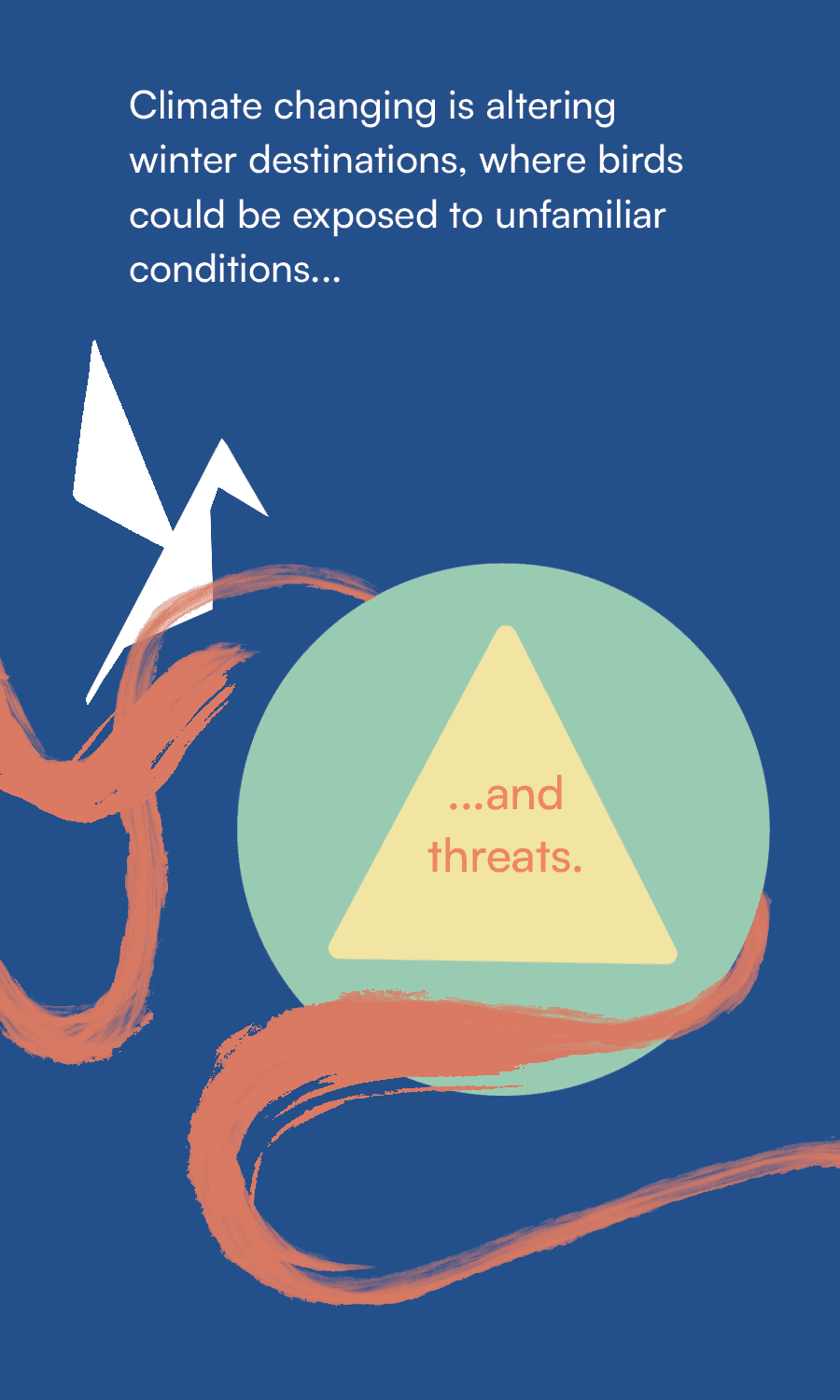
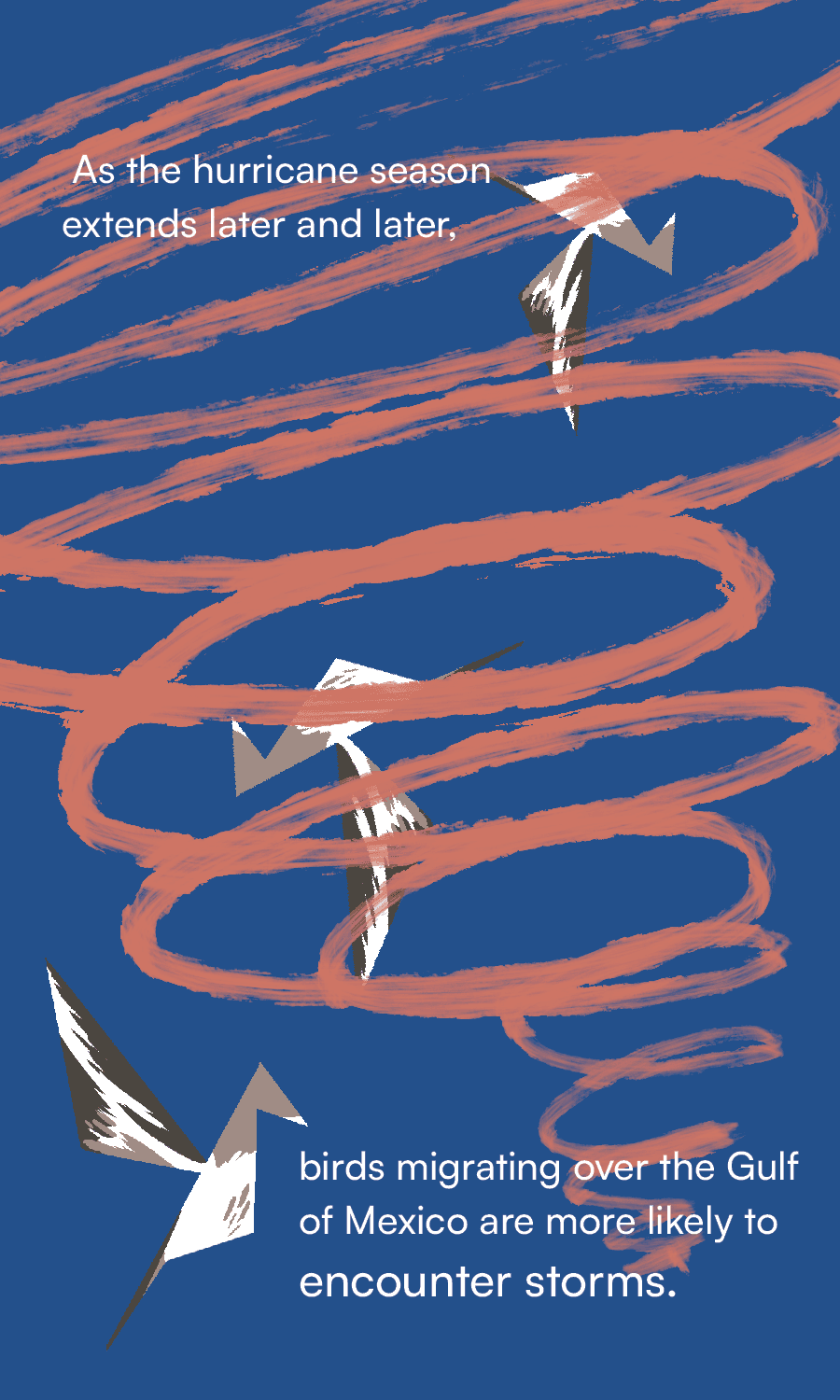
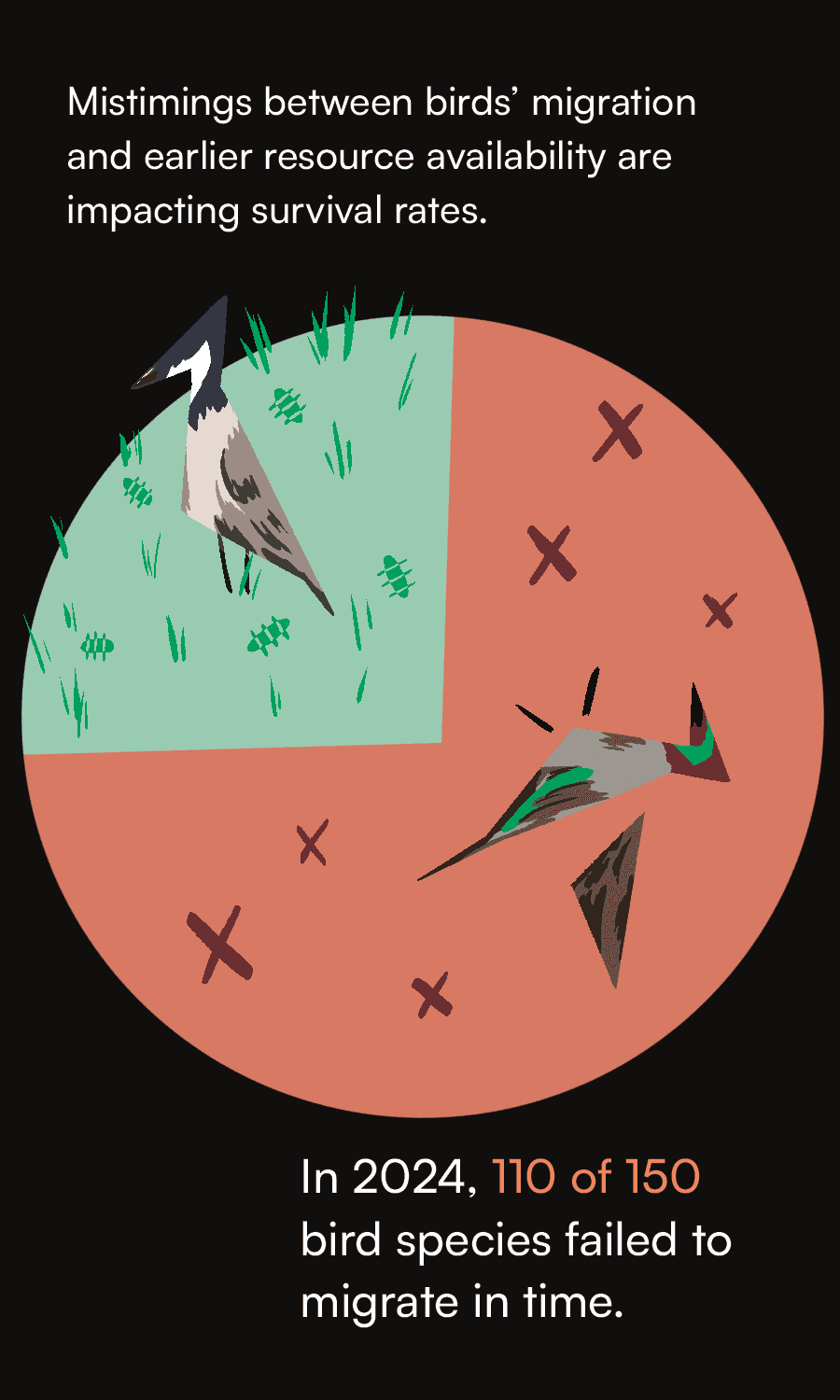
*citations below
Berthold, P. (1999). Bird migration: A general survey (2nd ed.). Oxford University Press.
Berthold, P. (2000). Bird migration: A general survey. In Bird migration (pp. 1-28). Oxford University Press.
Berthold, P., Fiedler, W., Schlenker, R., & Querner, U. (1998). 25-year study of the population development of Central European songbirds: A general decline, most evident in long-distance migrants. Naturwissenschaften, 85(12), 350-353.
Both, C., & Visser, M. E. (2001). Adjustment to climate change is constrained by arrival date in a long-distance migrant bird. Nature, 411(6835), 296-298.
Both, C., Bouwhuis, S., Lessells, C. M., & Visser, M. E. (2006). Climate change and population declines in a long-distance migratory bird. Nature, 441(7089), 81-83.
Butler, C. J. (2003). The disproportionate effect of global warming on the arrival dates of short-distance migratory birds in North America. Ibis, 145(3), 484-495.
Coppack, T., & Both, C. (2002). Predicting life-cycle adaptation of migratory birds to global climate change. Ardea, 90(3), 369-378.
Durham University. (n.d.). Climate change might make winter bird migration a thing of the past. https://www.durham.ac.uk/departments/academic/biosciences/about-us/news/climate-change-might-make-winter-bird-migration-a-thing-of-the-past/
Fiedler, W. (2003). Recent changes in migratory behaviour of birds: A compilation of field observations and ringing data. In P. Berthold, E. Gwinner, & E. Sonnenschein (Eds.), Avian migration (pp. 21-38). Springer.
Gwinner, E. (1996). Circadian and circannual programmes in avian migration. Journal of Experimental Biology, 199(1), 39-48.
Hötker, H. (2002). Arrival of Pied Avocets Recurvirostra avosetta at the breeding site: Effects of winter temperatures and other factors. Bird Study, 49(3), 267-272.
Hüppop, O., & Hüppop, K. (2003). North Atlantic Oscillation and timing of spring migration in birds. Proceedings of the Royal Society B: Biological Sciences, 270(1512), 233-240.
Jenni, L., & Kéry, M. (2003). Timing of autumn bird migration under climate change: Advances in long-distance migrants, delays in short-distance migrants. Proceedings of the Royal Society B: Biological Sciences, 270(1523), 1467-1471.
Lehikoinen, E., Sparks, T. H., & Zalakevicius, M. (2004). Arrival and departure dates. Advances in Ecological Research, 35, 1-31.
Lemoine, N., & Böhning-Gaese, K. (2003). Potential impact of global climate change on species richness of long-distance migrants. Conservation Biology, 17(2), 577-586.
NASA. (n.d.). Climate change: How do we know? https://science.nasa.gov/climate-change/evidence/
National Environmental Education Foundation. (n.d.). How climate change is changing animal habits. https://www.neefusa.org/story/climate-change/how-climate-change-changing-animal-habits
Newton, I. (2008). The migration ecology of birds. Academic Press.
Sanderson, F. J., Donald, P. F., Pain, D. J., Burfield, I. J., & van Bommel, F. P. J. (2006). Long-term population declines in Afro-Palearctic migrant birds. Biological Conservation, 131(1), 93-105.
Sauer, J. R., Hines, J. E., Gough, G., Thomas, I., & Peterjohn, B. G. (1996). The North American breeding bird survey results and analysis. Version 96.3. Patuxent Wildlife Research Center.
Sutherland, W. J. (1998). Evidence for flexibility and constraint in migration systems. Journal of Avian Biology, 29(4), 441-446.
The Guardian. (2025, October 16). Bird migration is changing: What does this reveal about our planet? https://www.theguardian.com/environment/ng-interactive/2025/oct/16/bird-migration-is-changing-what-does-this-reveal-about-our-planet-visualised-aoe
University of Pittsburgh Climate Center. (n.d.). Climate change response: Bird migrations. https://www.climatecenter.pitt.edu/news/climate-change-response-bird-migrations
van Wijk, R. E., Kölzsch, A., Kruckenberg, H., Ebbinge, B. S., Müskens, G. J. D. M., & Nolet, B. A. (2011). Individually tracked geese follow peaks of temperature acceleration during spring migration. Oikos, 121(5), 655-664.
Visser, M. E., & Both, C. (2005). Shifts in phenology due to global climate change: The need for a yardstick. Proceedings of the Royal Society B: Biological Sciences, 272(1581), 2561-2569.
Visser, M. E., Both, C., & Lambrechts, M. M. (2004). Global climate change leads to mistimed avian reproduction. Advances in Ecological Research, 35, 89-110.
World Migratory Bird Day. (2007). Climate change and migratory birds. https://www.worldmigratorybirdday.org/2007/index44cb.html
Zurell, D., Hof, C., & Pellissier, L. (2009). Effects of climate and land-use change on the future of European amphibian diversity. In Birds and climate change. Oxford University Press