Self-directed project
CONNECT
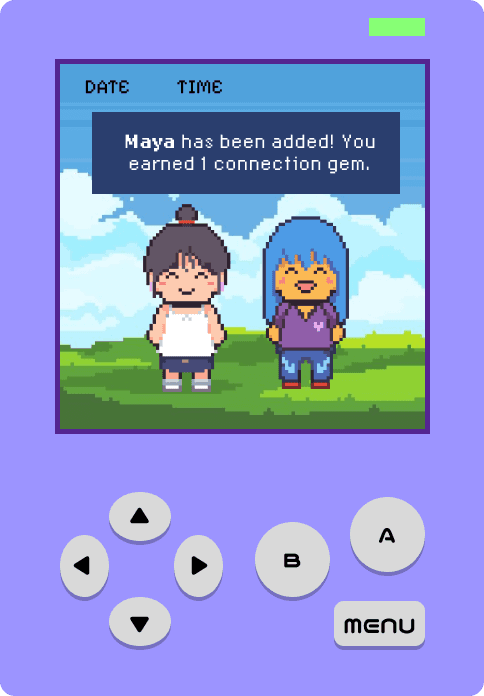
What is CONNECT?
CONNECT is a self-directed project. Looking at how much Gen Z now relies on the Internet for community, I proposed an analog solution inspired by retro gaming devices. It gamifies socialization and rewards users for taking the initiative to talk to new people, encouraging them to build a new community.
Problem
The major friction point for introverts: taking the first step to engage first with strangers.
Objective
Design a system that creates a safe space for users to break out of their shell, allowing them to foster a local community without fear of judgement
Demo
Below is a functional demo of the CONNECT concept.
Created in Lovable
user brief
You will be “connecting” (aka meeting) another user through this CONNECT device, of which the other user will be answering 1 of 3 questions that you choose; you will also be answering a question sent from them in an A/B format. No wrong answers here! This is an chance to break the ice with discussion prompts that can lead to deeper conversations.
IMPORTANT: CONNECT is meant to be an temporary guide, not a permanent solution, to creating new relationships.
Context
The Decline of Third Places
Strategies: tackling an intangible issue
I've noticed that today's digital conveniences has reduced the need for community, correlating with a gradual decline of third places in America. But rather than reviving third places entirely, I decided to take small baby steps in tackling the pattern of anti-socialization amongst Gen Z.
By surveying my peers (college students, aged 19-22), I narrowed down key factors influencing usage of third places (or lack thereof):
The third place has a built-in level playing field (a shared commonality)
People my age prioritize utilizing third places with their friends over meeting new people
Interest in these third places seemed to depend on the respondent’s personality type (introvertedness vs. extrovertedness)
Major Takeaway
College students, particularly introverted ones, seemed to prioritize familiarity vs. venturing the unknown.
Target Persona

An anxious, creative student who struggles with breaking past the initial barrier of talking to people, yet wants to find new community in college (and similarly-aged groups).
Process
Survey Insights
Respondents: Self-Identified Introverted College Students
Respondents reciprocate energy when approached, but won't initiate
The context facilitates respondent's comfort level in engaging in interactions (ex: students will be more relaxed in a social club setting than in an unfamiliar store)
Respondents stated they are more comfortable in talking to strangers alongside outgoing friends
This led me to a research question:
How might we build a safe environment for introverts to engage first in community-building without fear of external judgement?
Conceptualizing
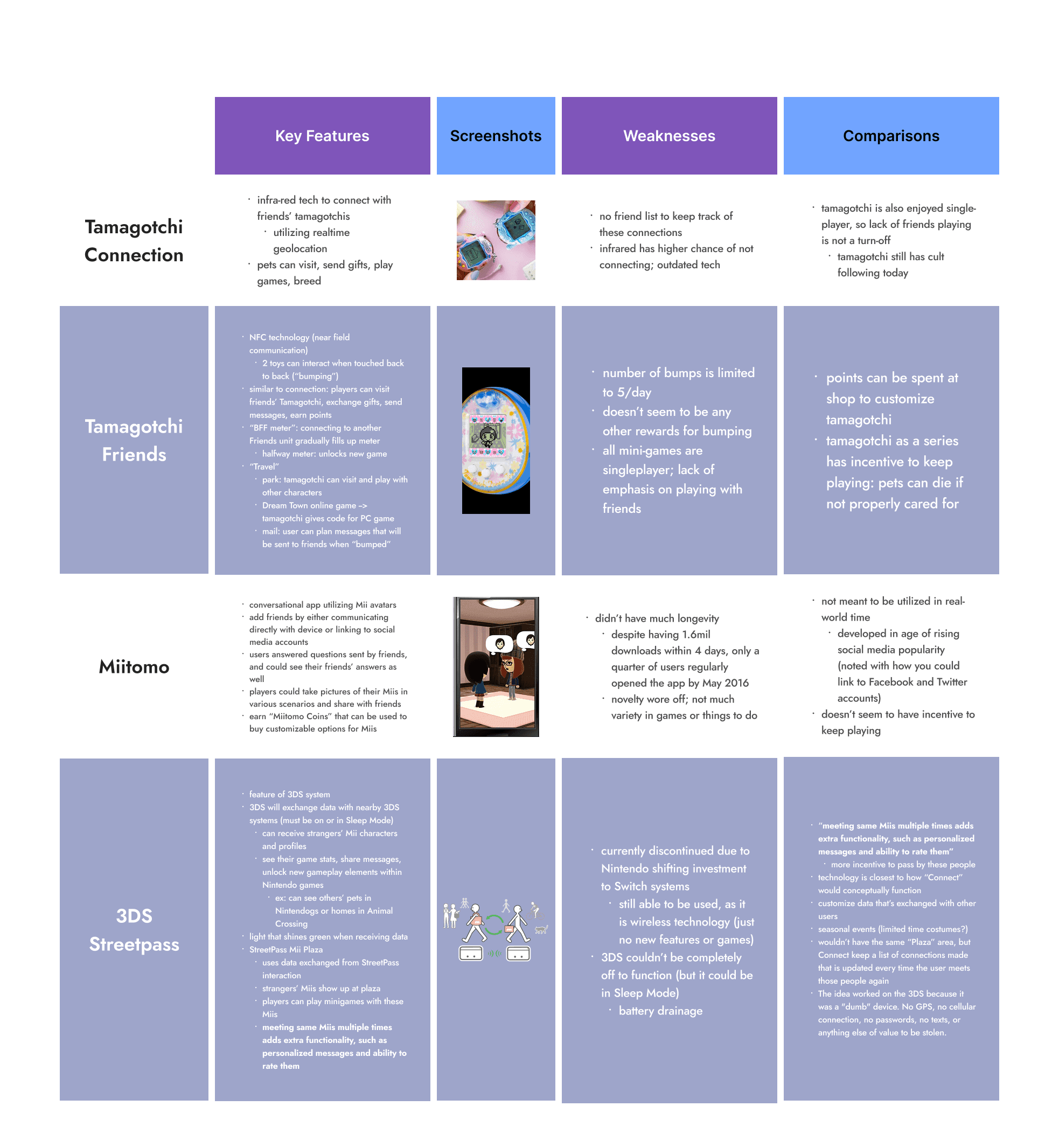
Inspired by Nintendo and Tamagotchi devices, I brainstormed a game-inspired system that would reward the "player" for stepping out of their comfort zone.
Users walk around with their devices active
The devices use an infrared sensor to sense others in the area
They connect two users if sensed, sending each other pre-set ice-breaker questions with given answers to choose from
Within proximity, the users use CONNECT as a stepping stone to talk to each other and discuss their answers
Users have the option to officially "connect" with each other through a friend system, encouraging each other to keep in touch in the future!
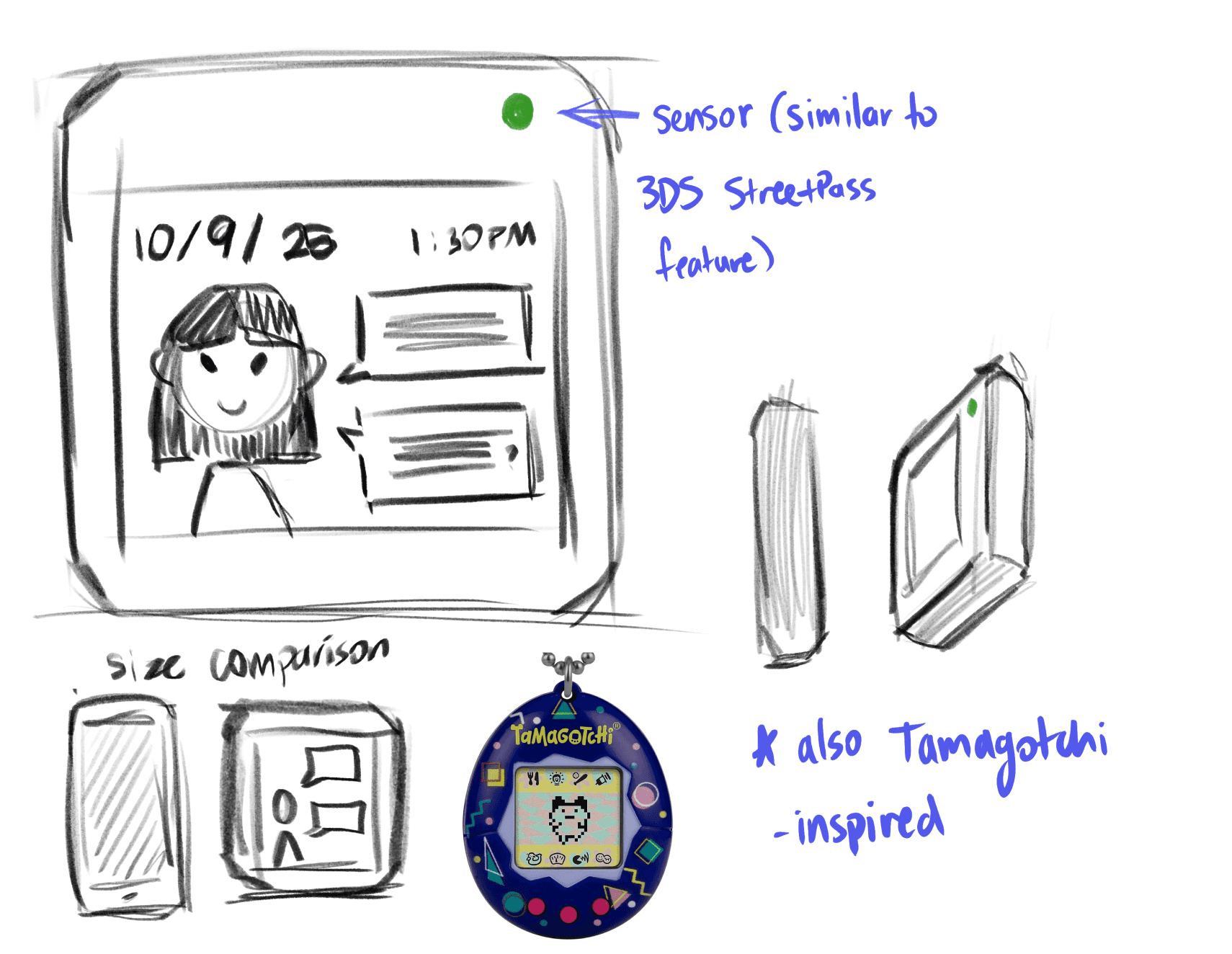
An initial sketch of what it might look like; I was inspired by Tamagotchi to create an analog device; the "pet" that the user takes care of is a mini avatar of themselves.
A revised design, inspired more by traditional retro game consoles in order to fit button controls better while still keeping a handheld size
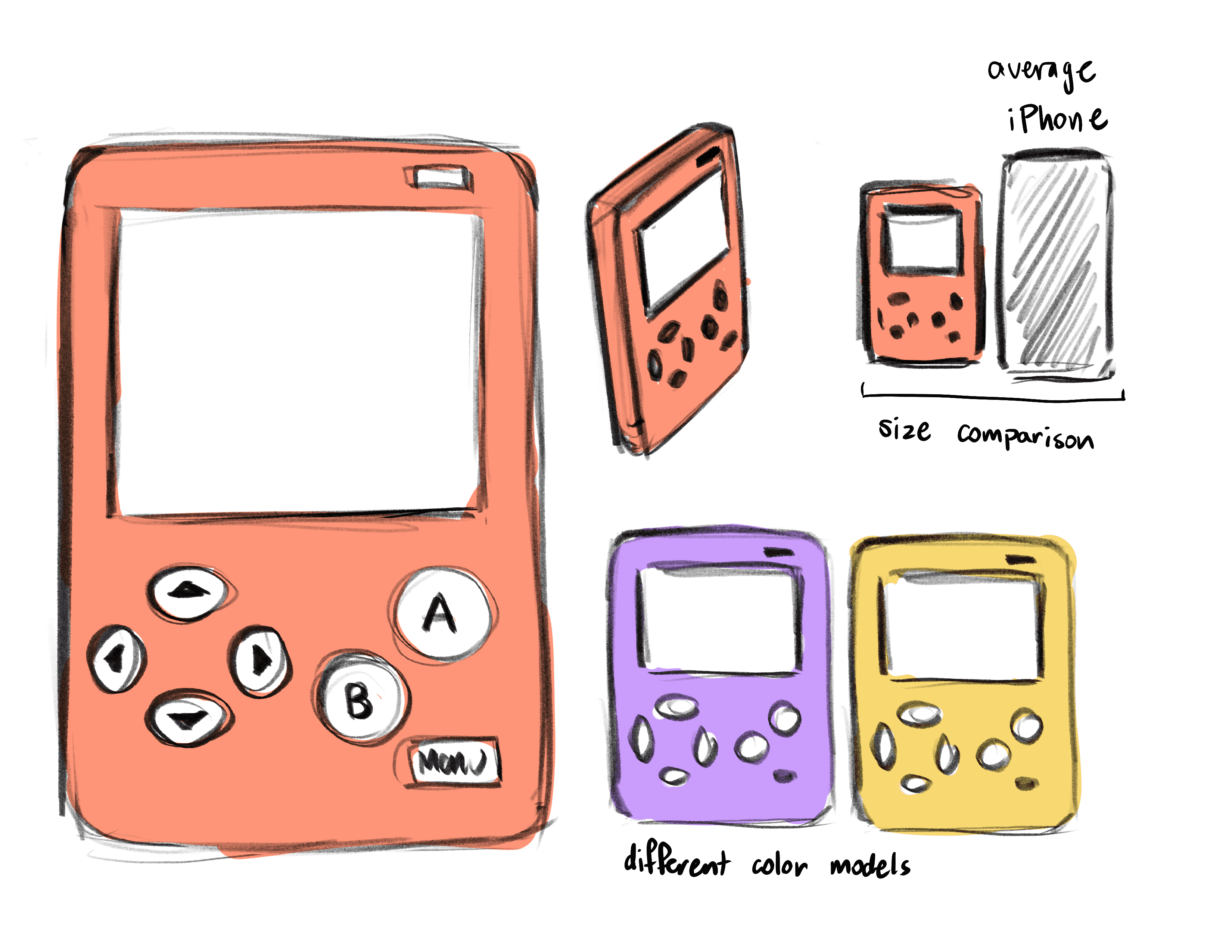
To limit cognitive overload in realtime moments, the model is reminiscent of handheld retro systems. Directional keypad buttons will allow users to choose from options, with two buttons to confirm and simplify user decisions.
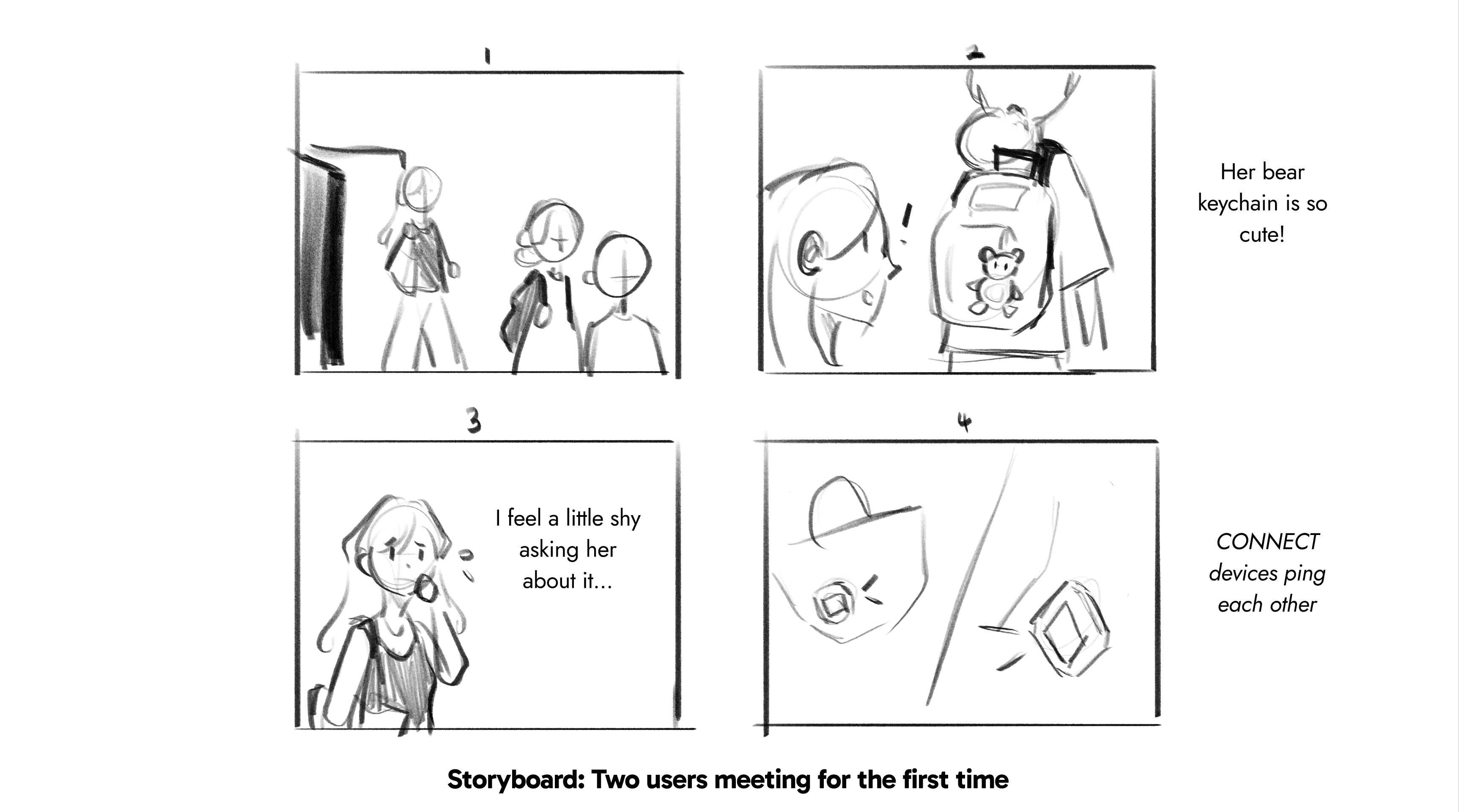
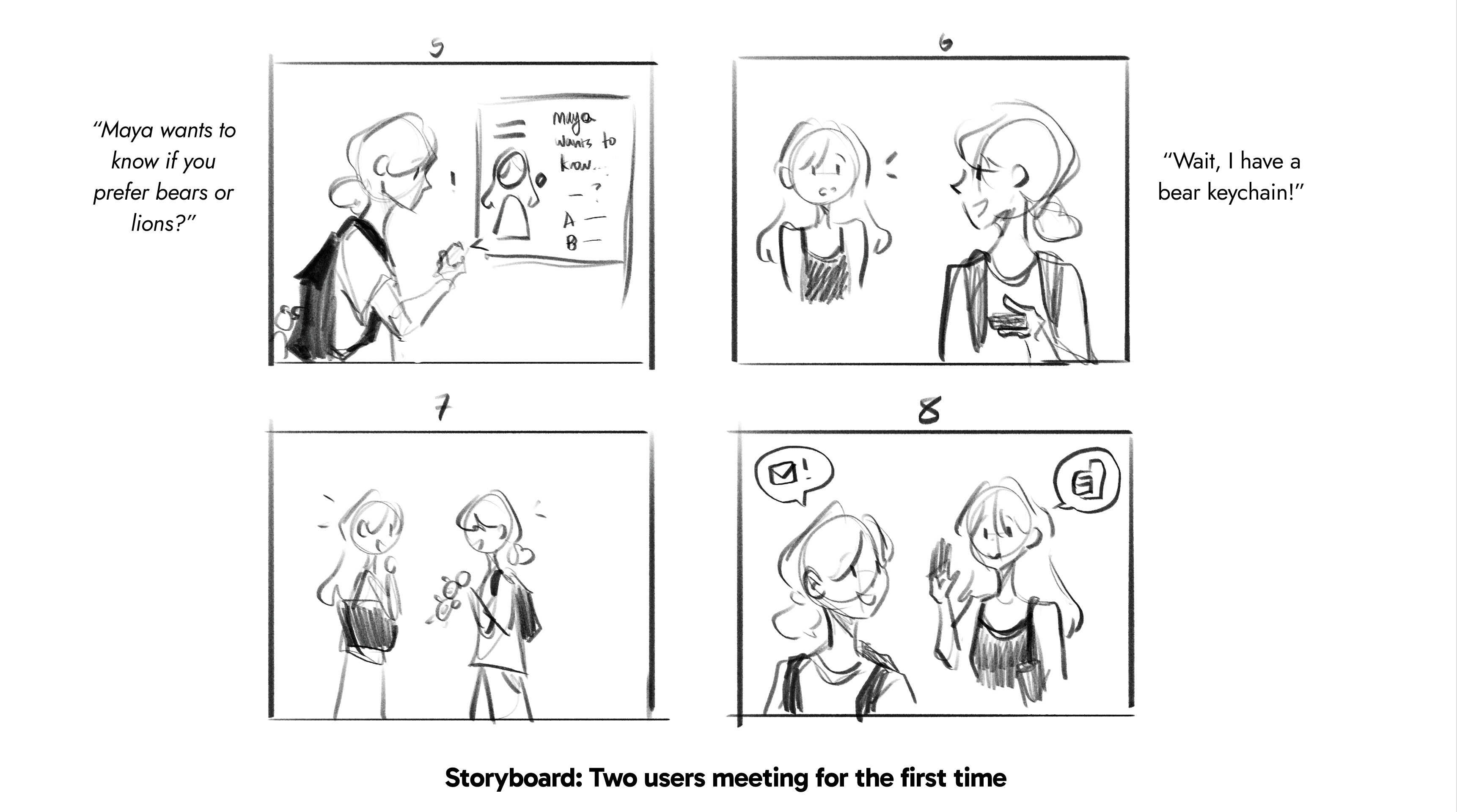
Storyboarding a flow between two users
Competitive/Inspiration Analysis
Product Requirements
Ensure an incentive to keep playing: a reward system
Place emphasis on the socialization aspect than playing a game
Customization options to create more personalization
Flat Prototype
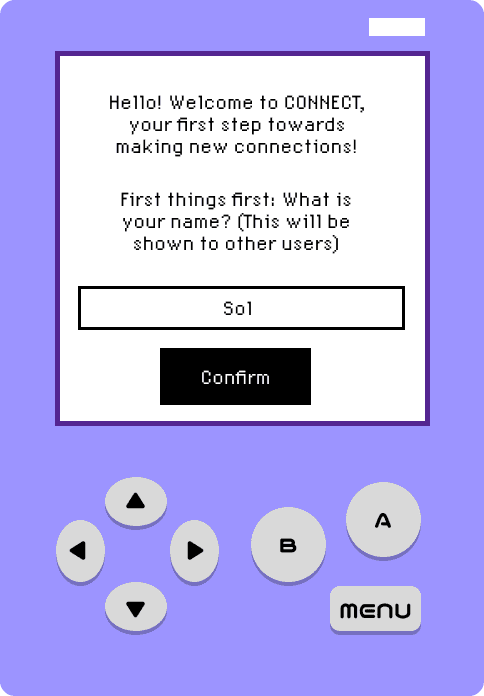
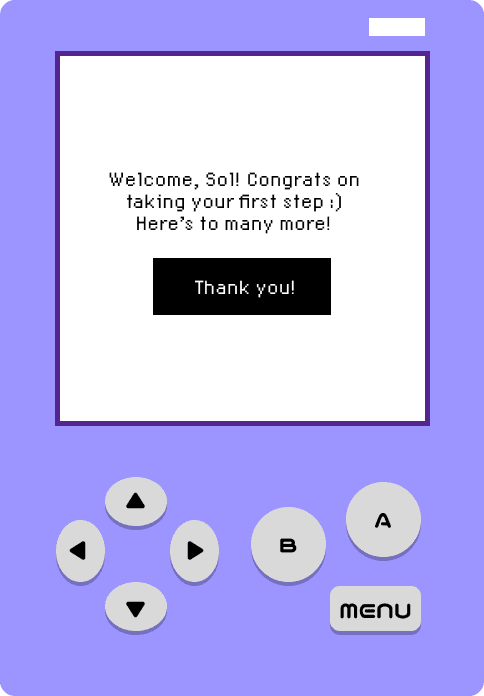
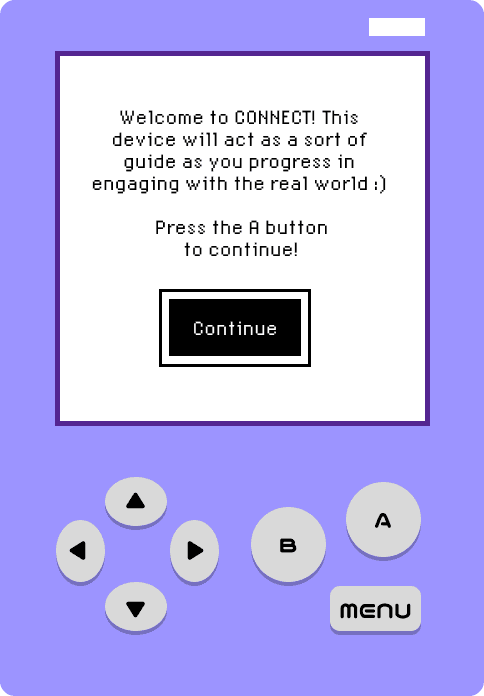
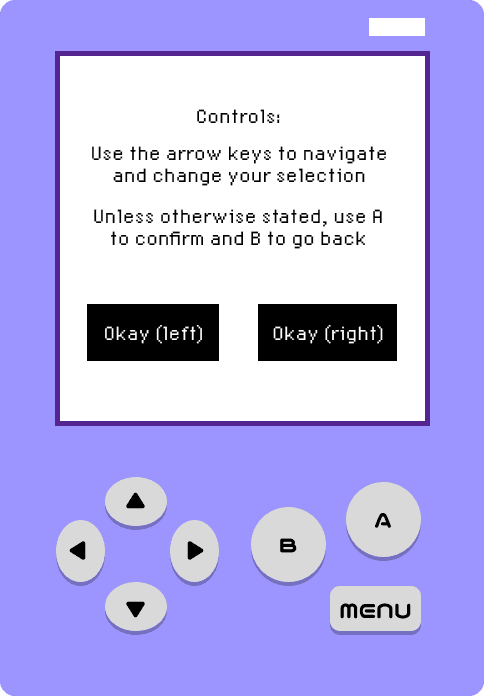
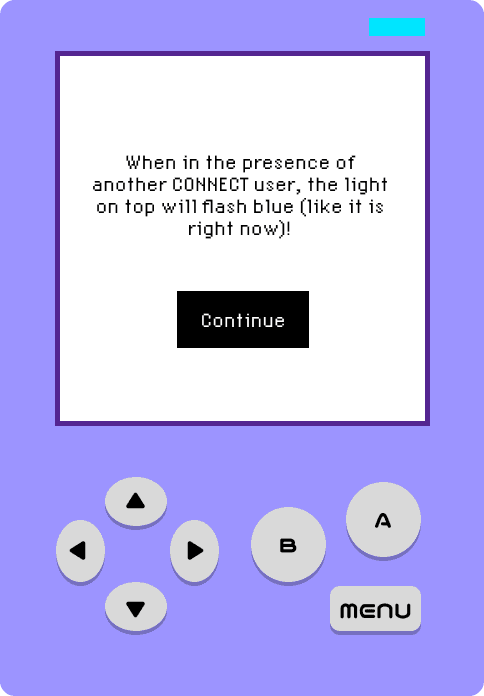
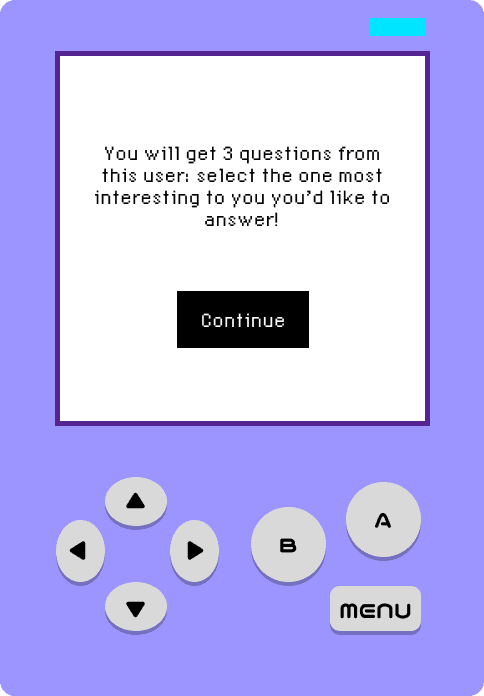
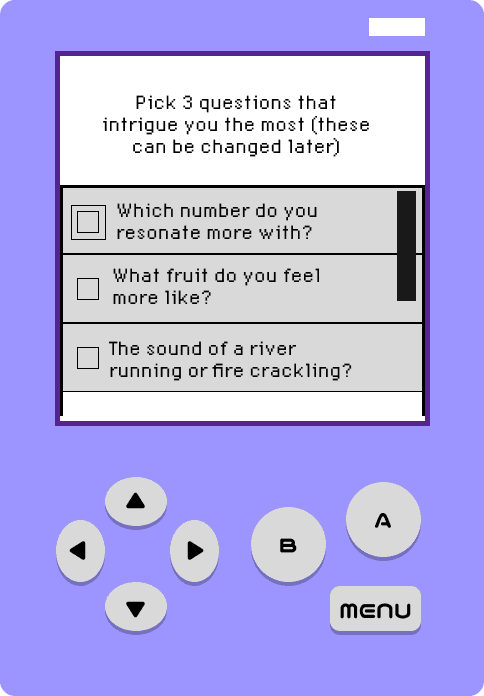
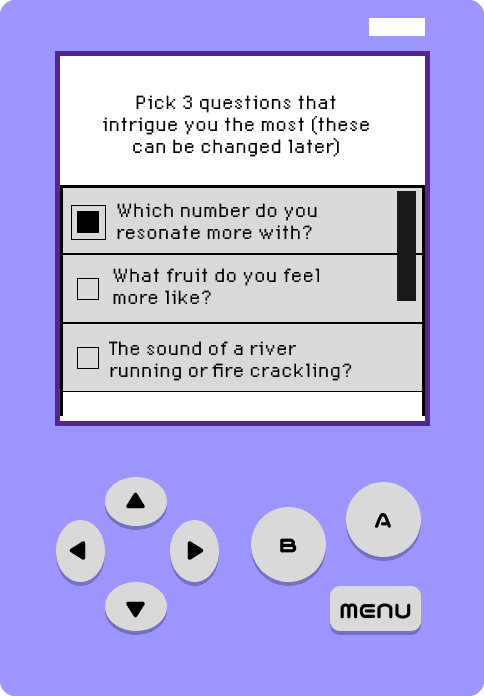
New user onboarding
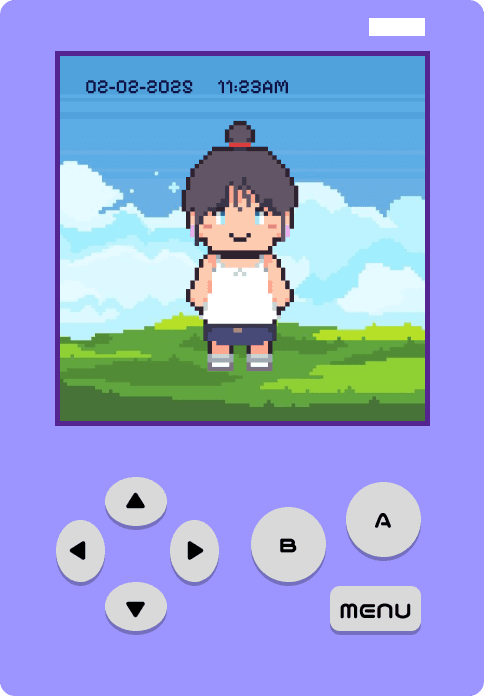
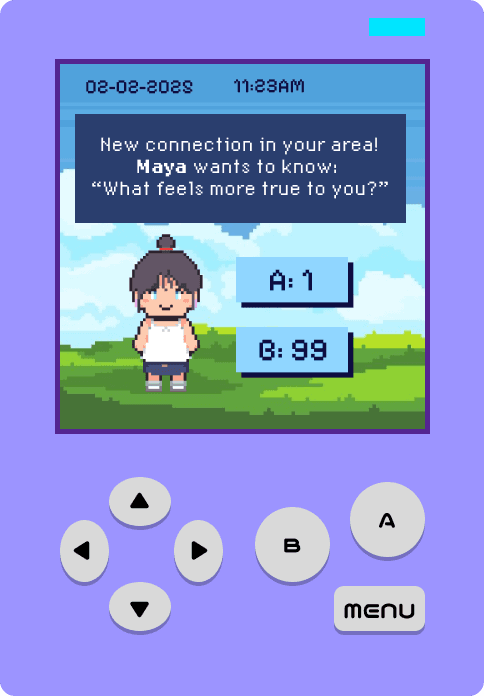
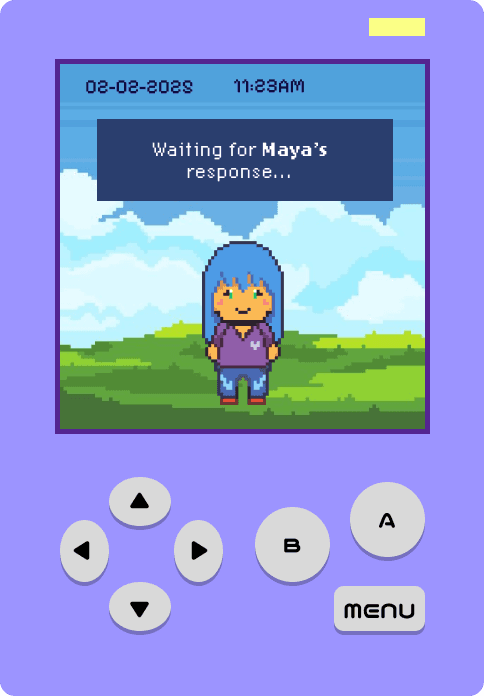
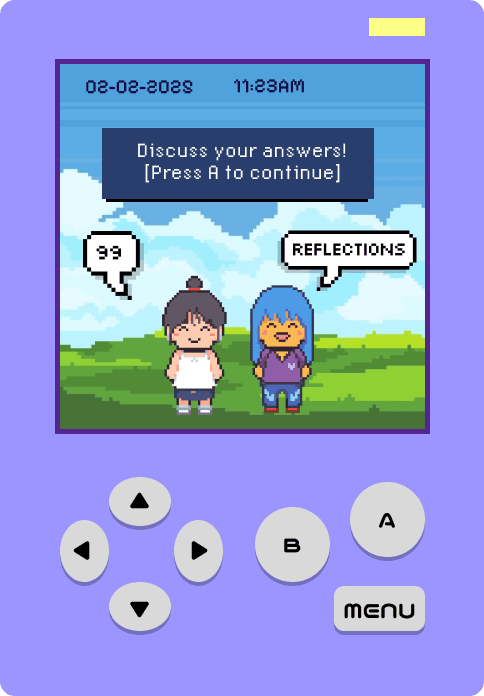
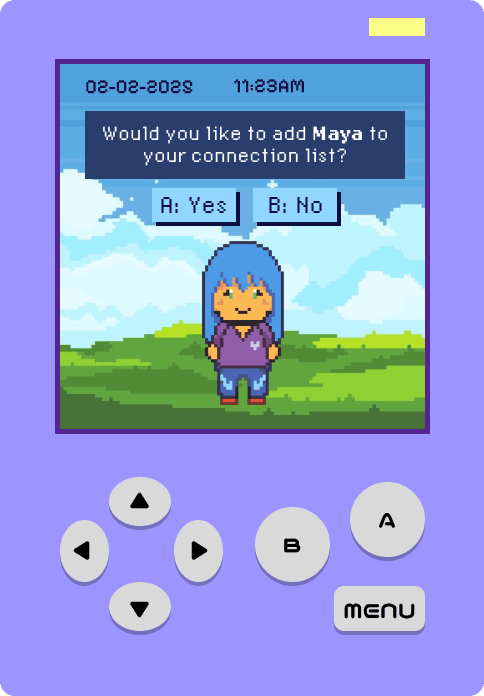
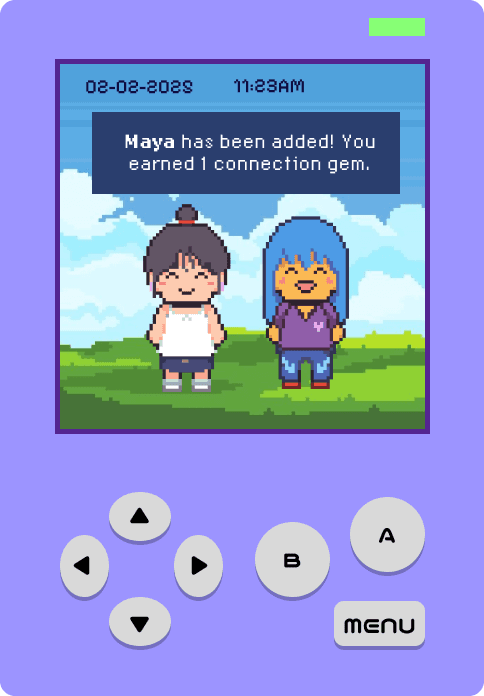
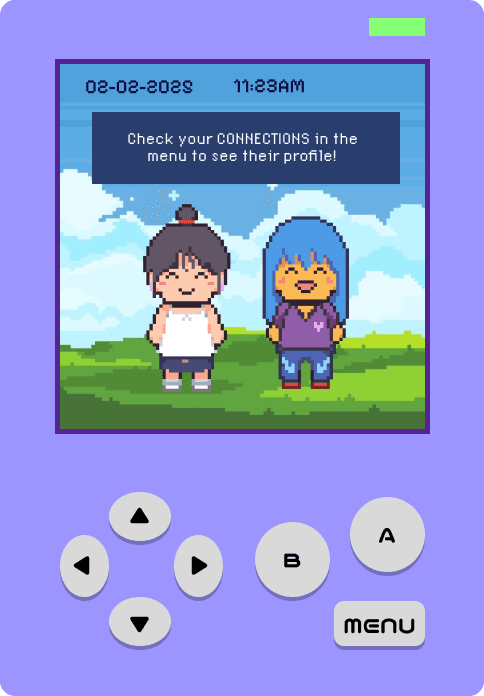
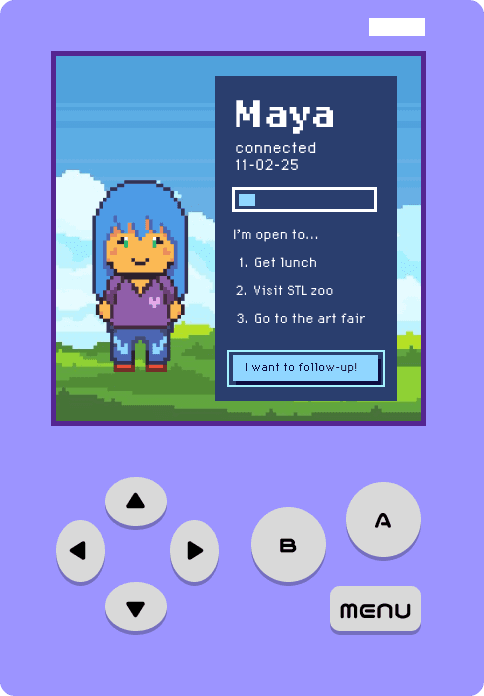
A mock-up flow of two users meeting for the first time
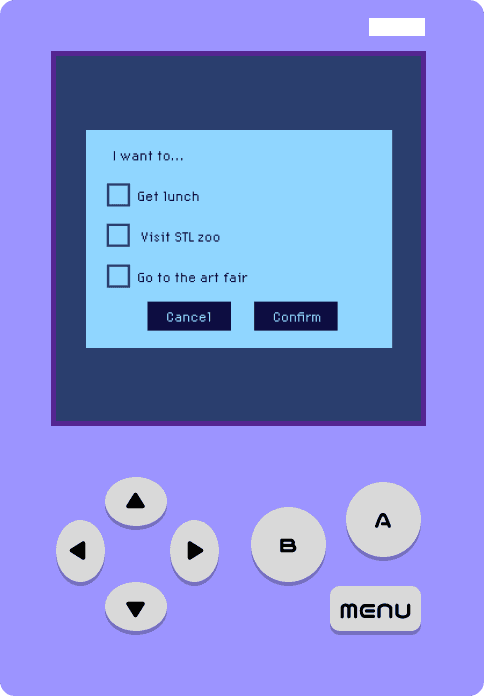
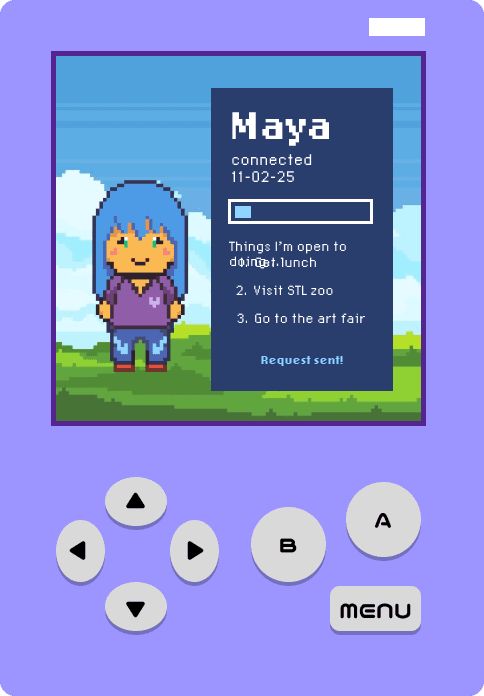
Users have the option to request a follow-up meeting with new connections; mutual confirmations allow further contact information to be shared
Reflection
Down the Line
As a concept more than a fully-fledged product, I will continue to receive passive feedback and further iterate in my own terms. I am also thinking of potential case scenarios of group settings using these devices together – how might I guide these conversations with more variable dynamics?
Takeaways
narrow it just enough
As I gained insights from various perspectives, I realized that I couldn't design for every individual need.
Analog user experience
My first time designing for not a phone or laptop meant new considerations of experience with analog technology.
product-thinking
I learned how to reframe this conceptual idea into a product perspective, in order to create a realistic incentive for the ideal hypothetical user.